2022 Galápagos Islands
Guayaquil / Santa Cruz / Isabela / South Plaza

04.01.2022 Delayed // Guayaquil, Ecuador
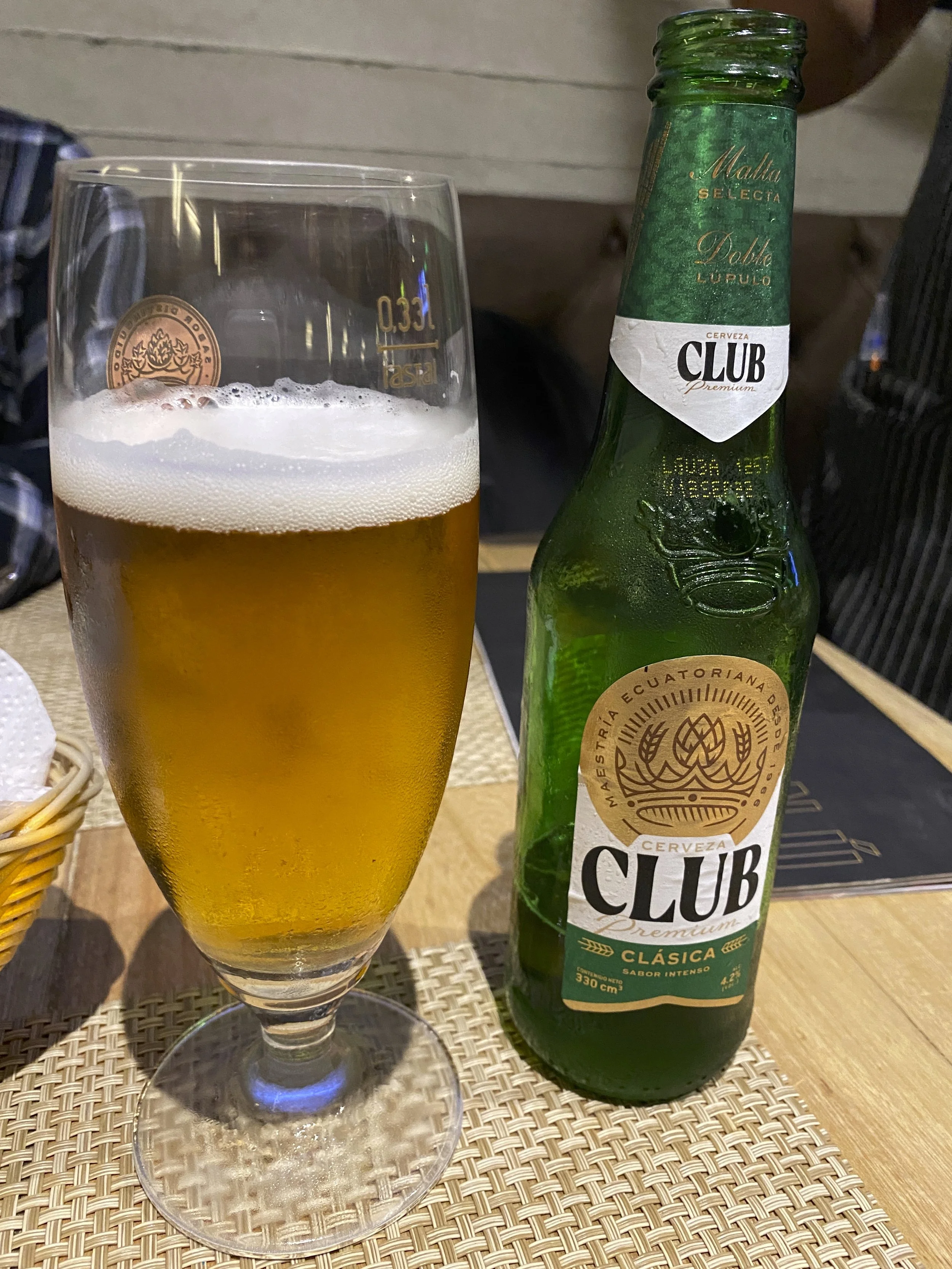
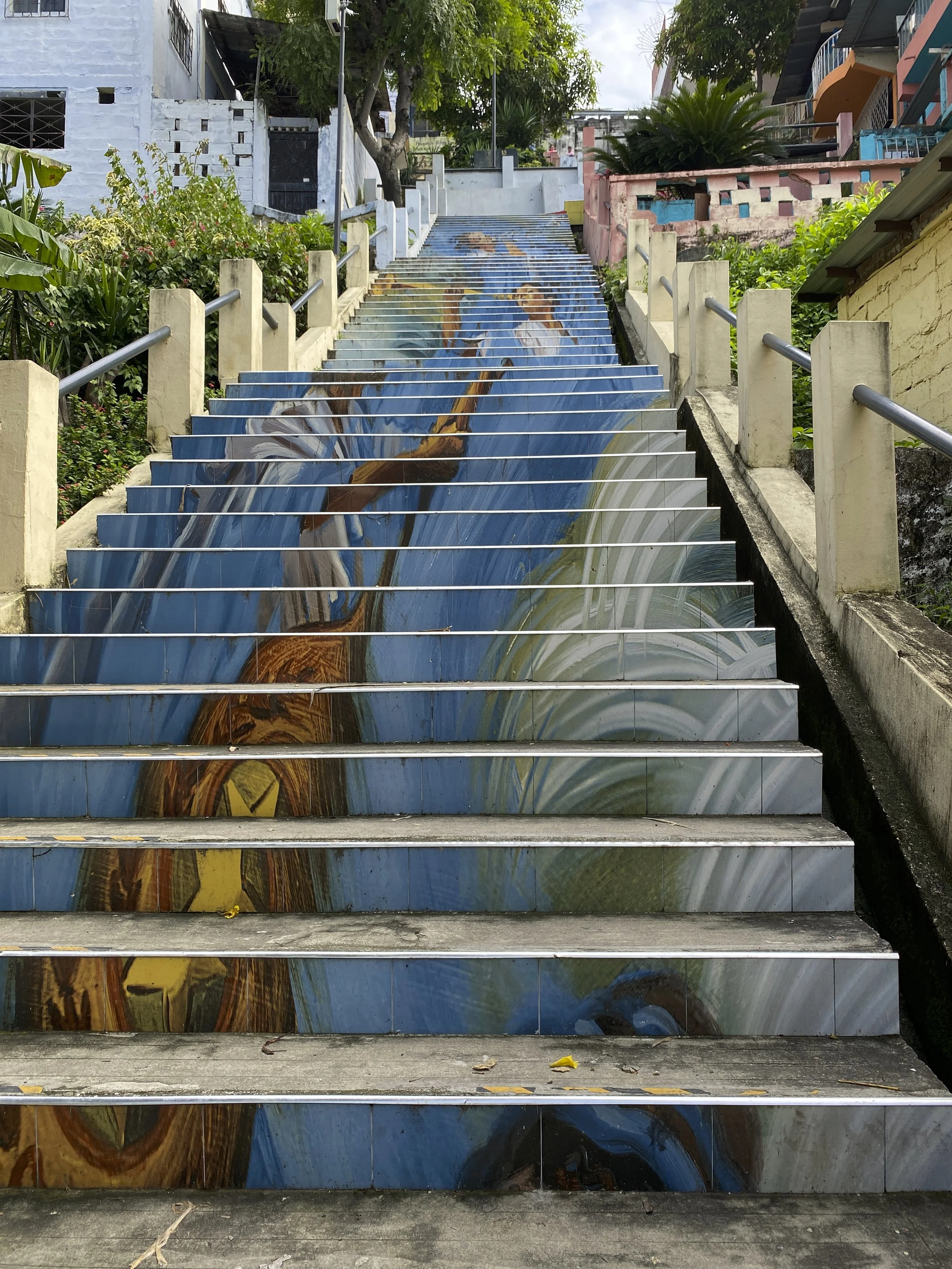
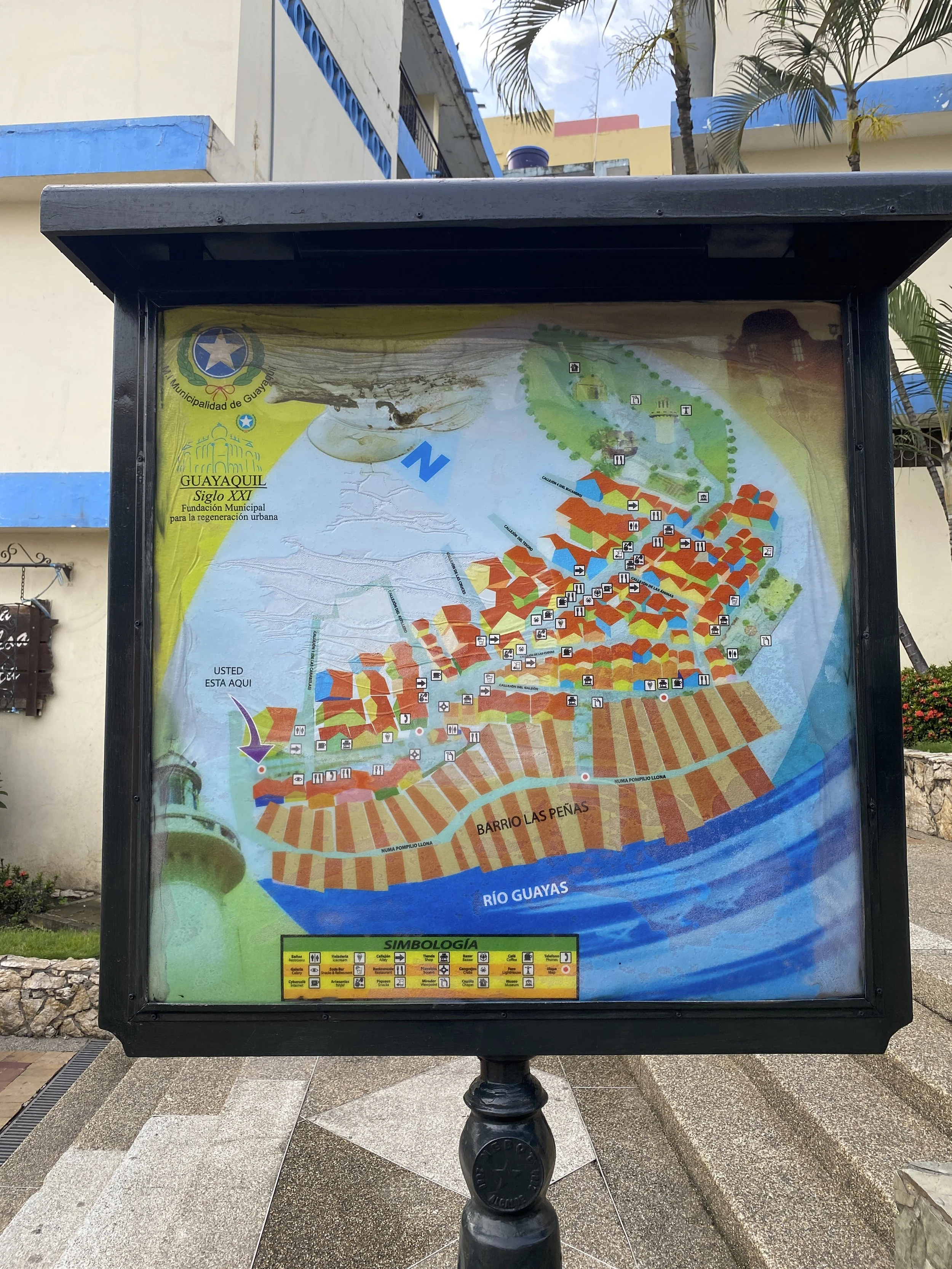
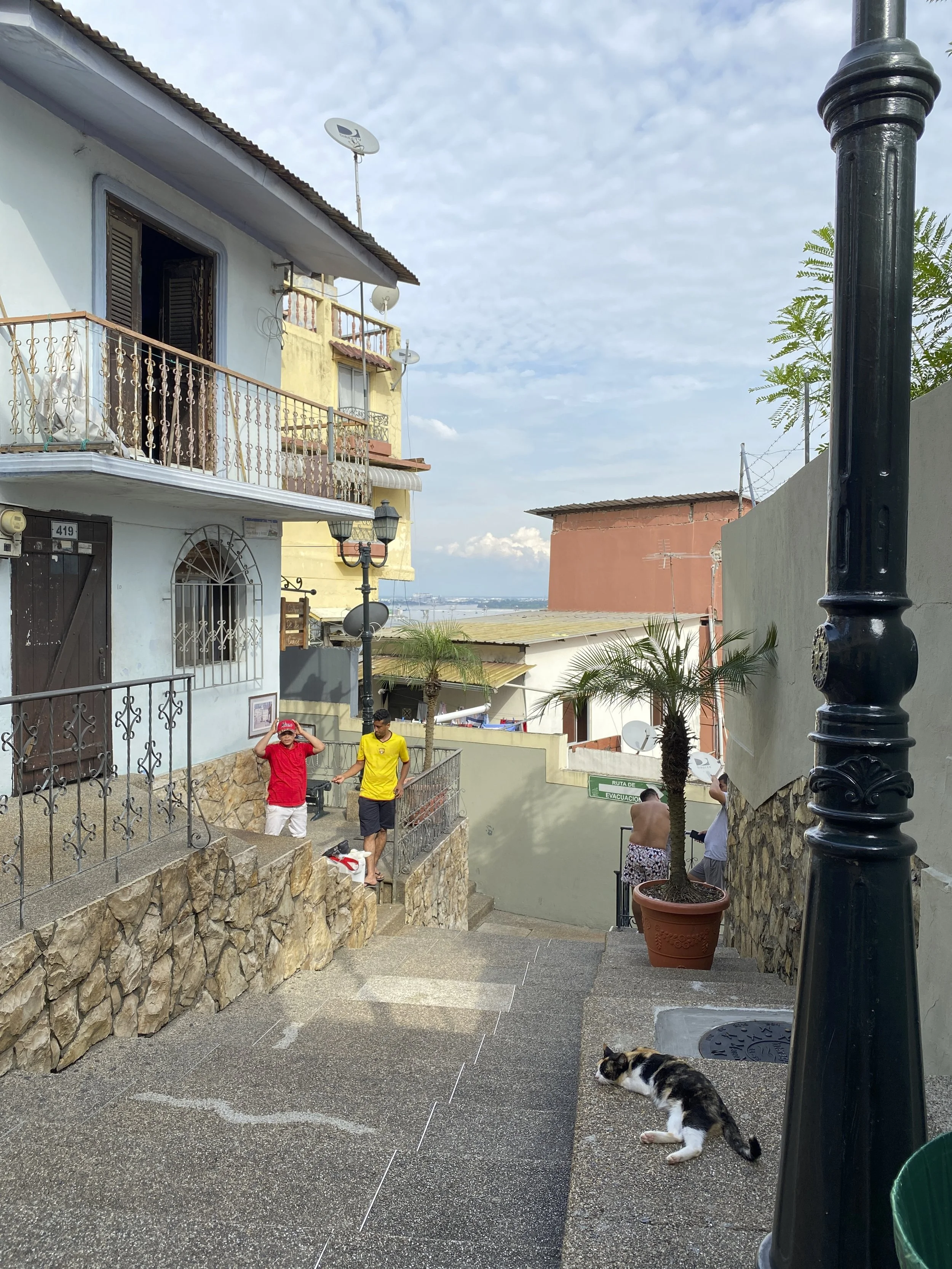
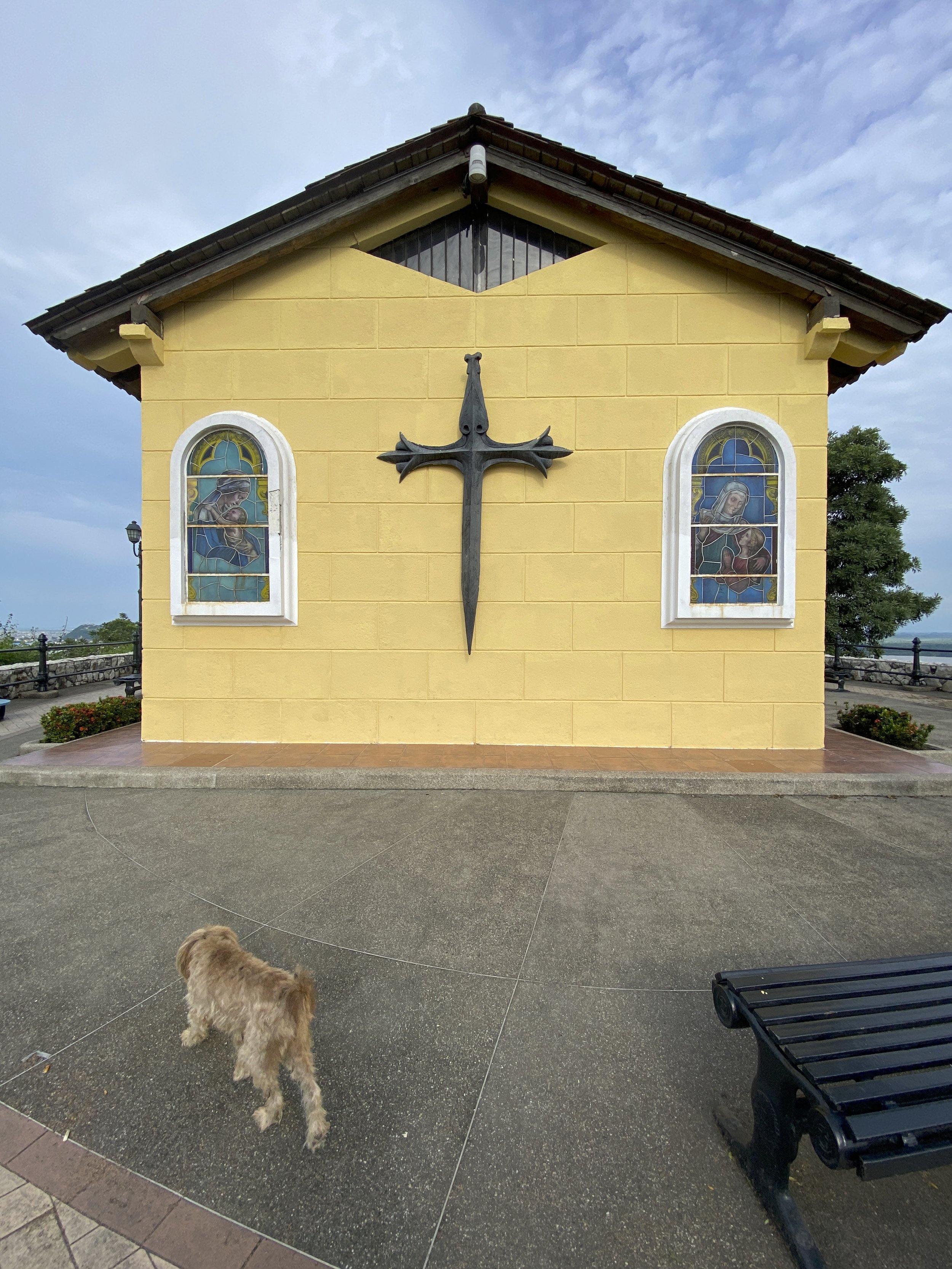
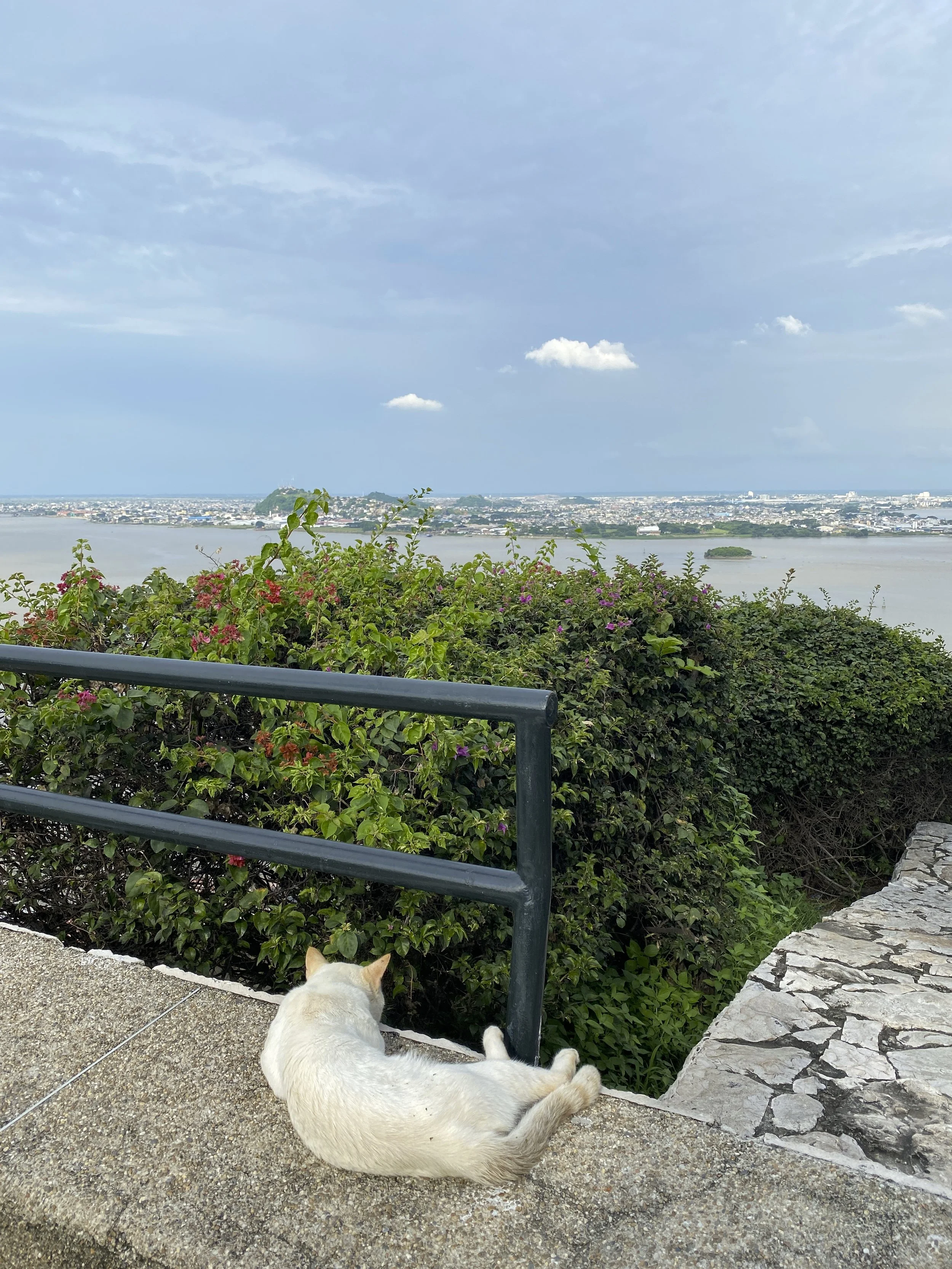
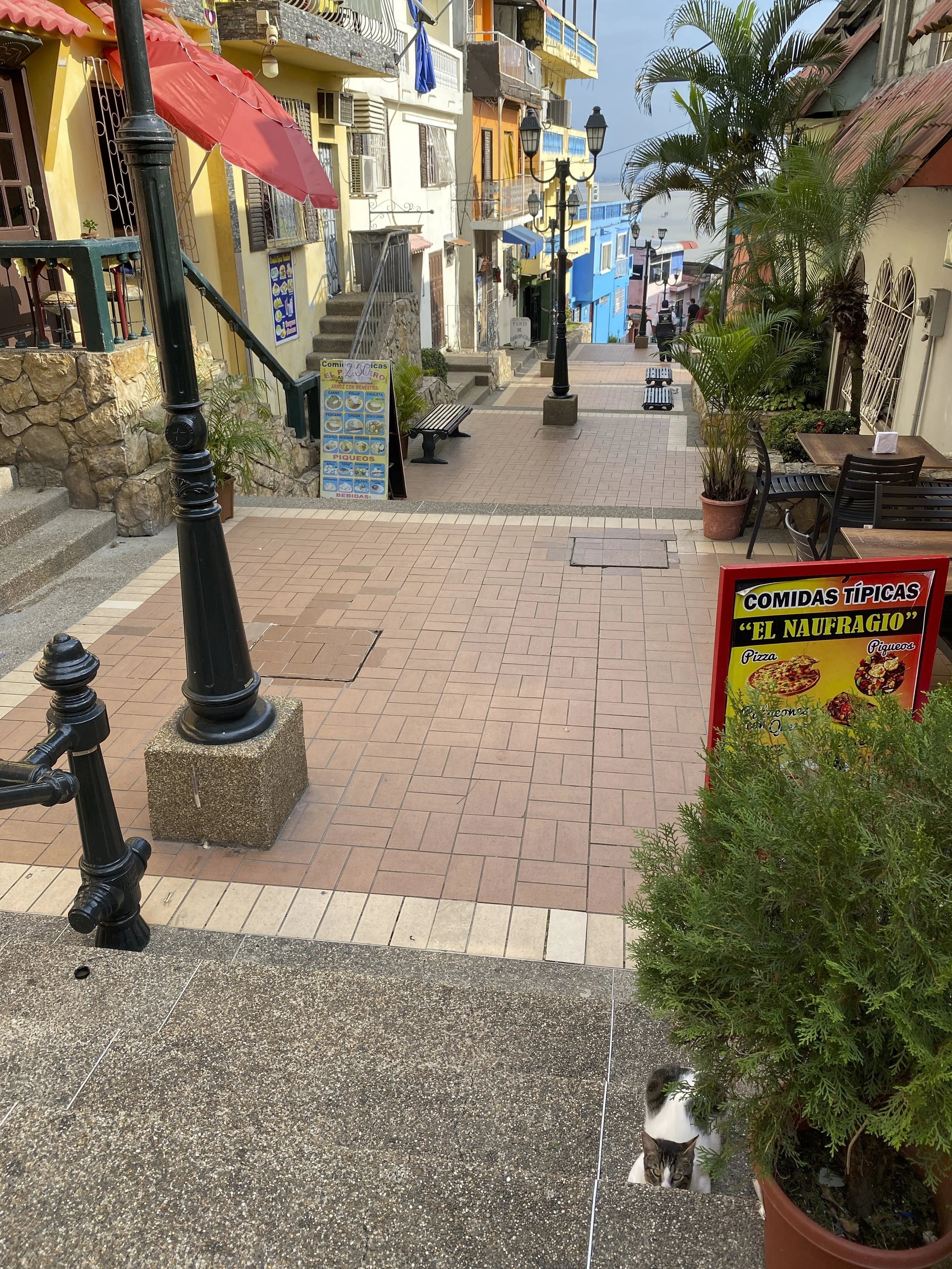
My flight to the Galápagos Islands has been forwarded until the next day. This place is humid and I am sweating through my clothes in matter of minutes. I thought a beer might sooth my mood. One of many “clooobs” I would consume daily while in Ecuador. So, what better way to escape the heat than climb up these numerous steps?? 444 escaleras exactly (one way) encircling Cerro Santa Ana of Guayaquil, where the cats and dogs roam freely. The place is eerily touristy without being very tourist friendly.
04.02.2022 Logistics // Baltra Island, Galápagos
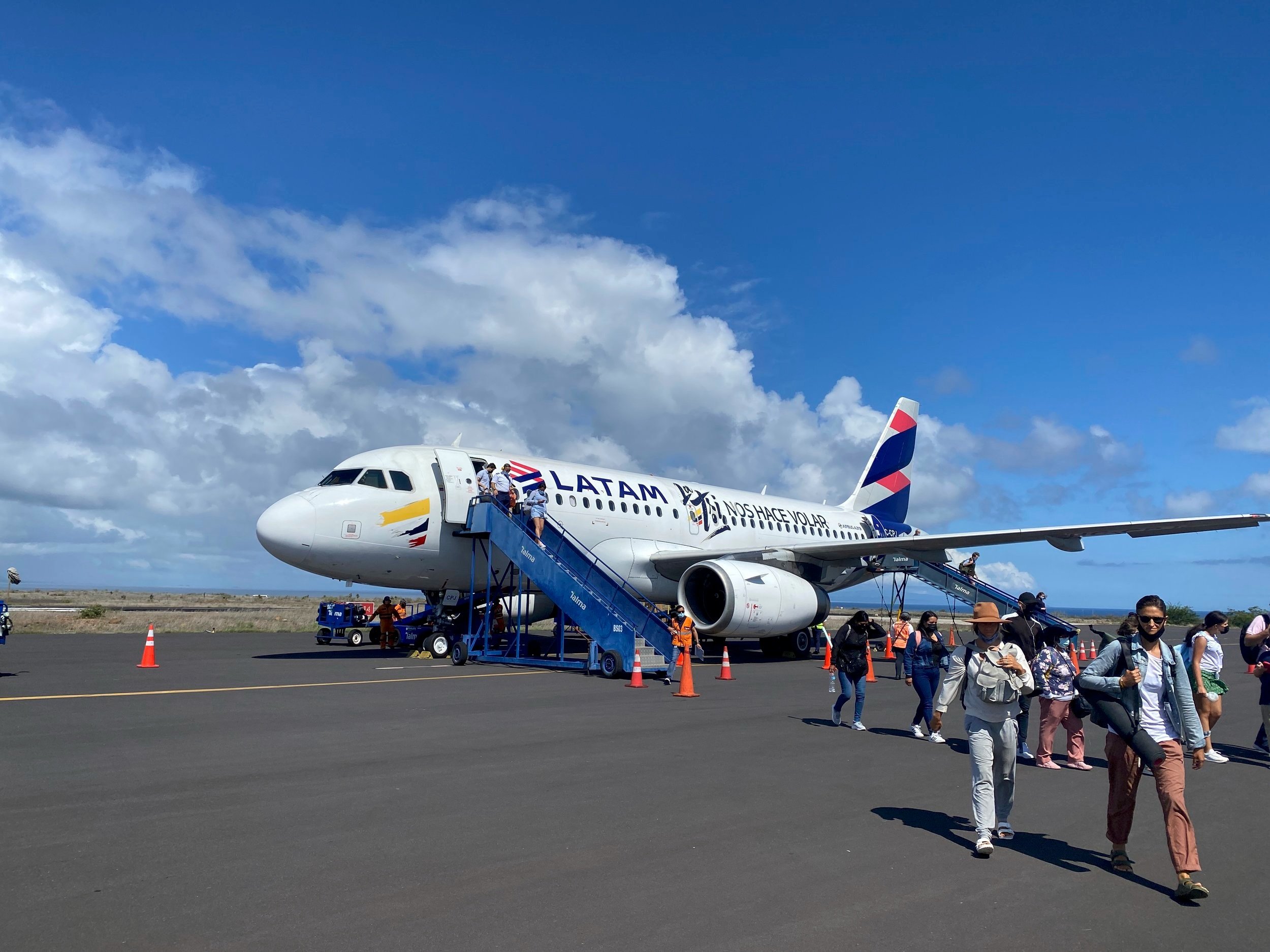
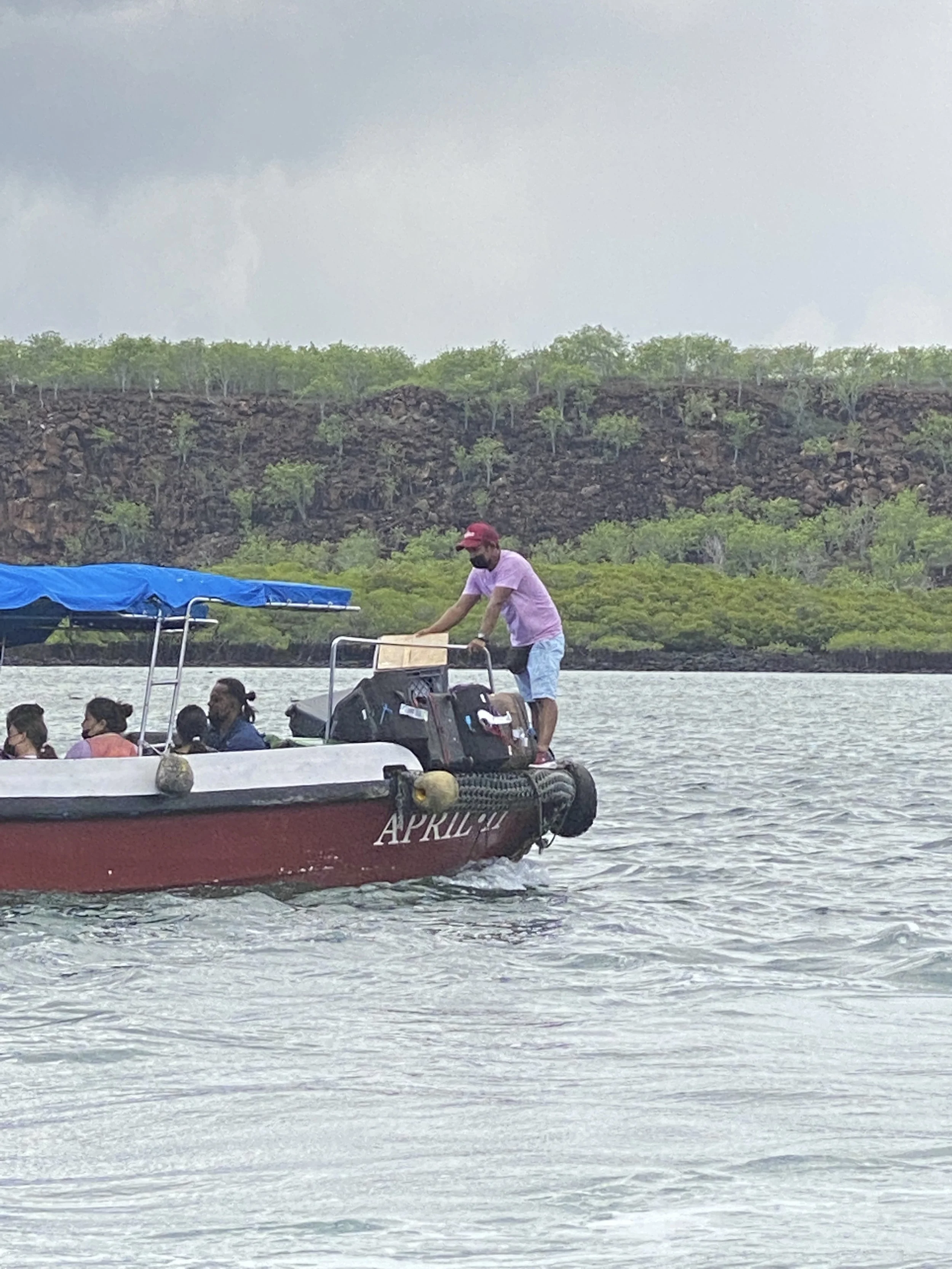
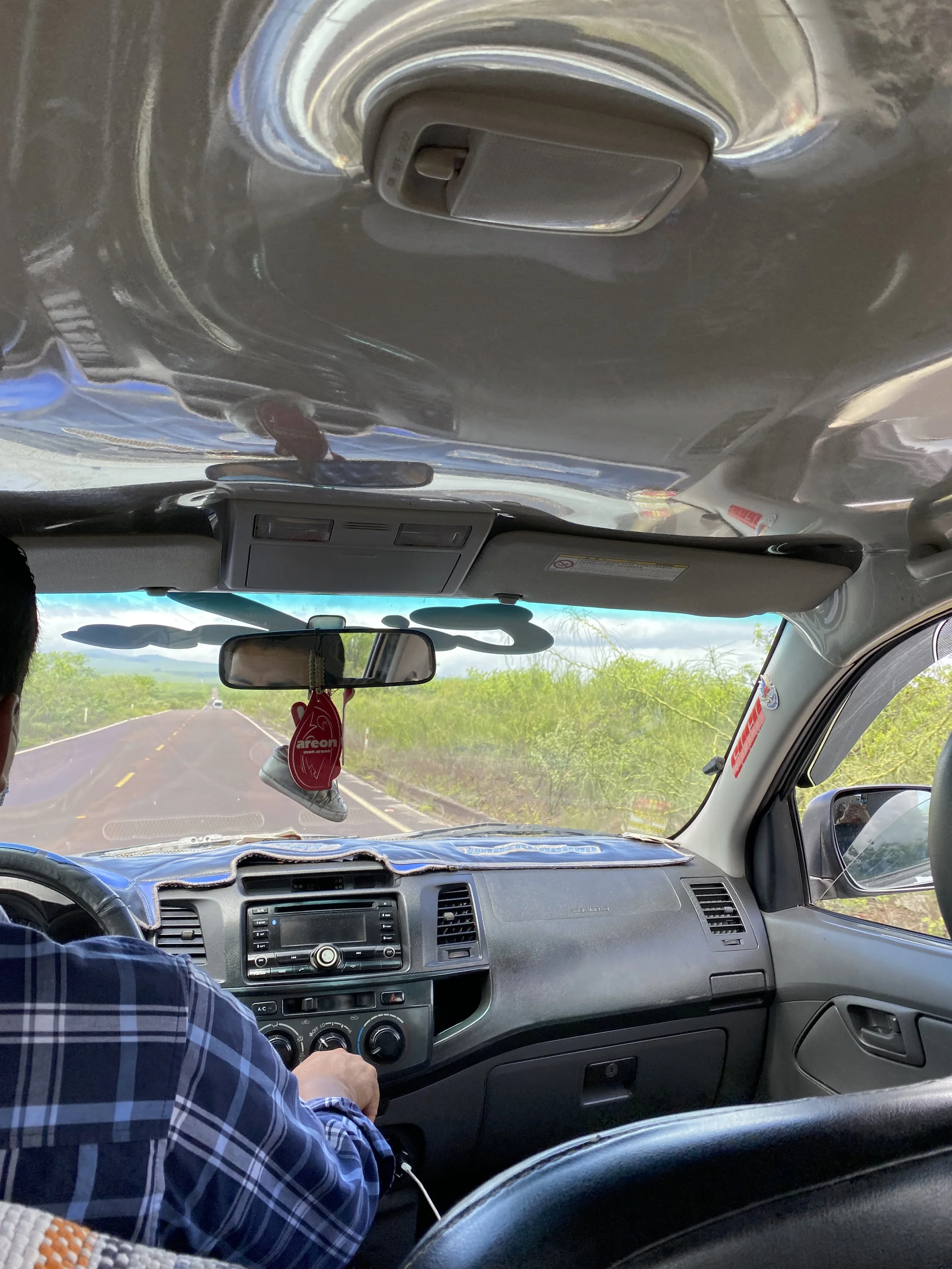
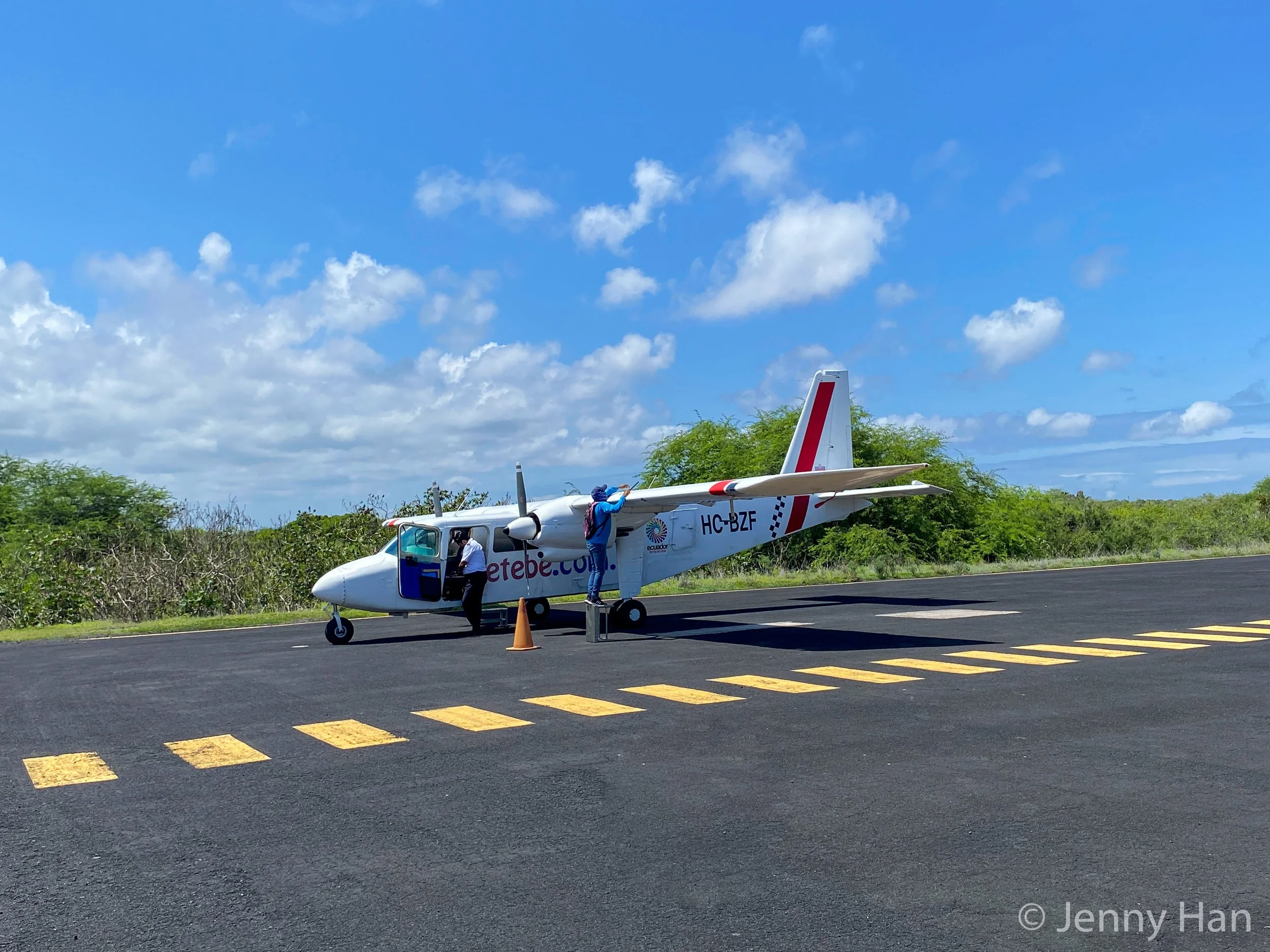
On Thursday, March 31st, I left my cozy dwelling of Los Angeles in full excitement for the Galápagos Islands. By Saturday, April 2nd, the excitement slowly churned into a weird form of patience. Let’s. Just. Get. There. Already. Two international flights + one domestic flight + $5 airport bus (not pictured here) + $1 ferry to cross the Itabaca Channel where my luggage keeps wanting to take a break away from me :*( + $25 white pickup truck taxi ride into Puerto Ayora, Santa Cruz Island, at a neck-breaking speed, no seat-belt.
Tortuga Bay
04.02.2022 Tortuga Bay // Santa Cruz
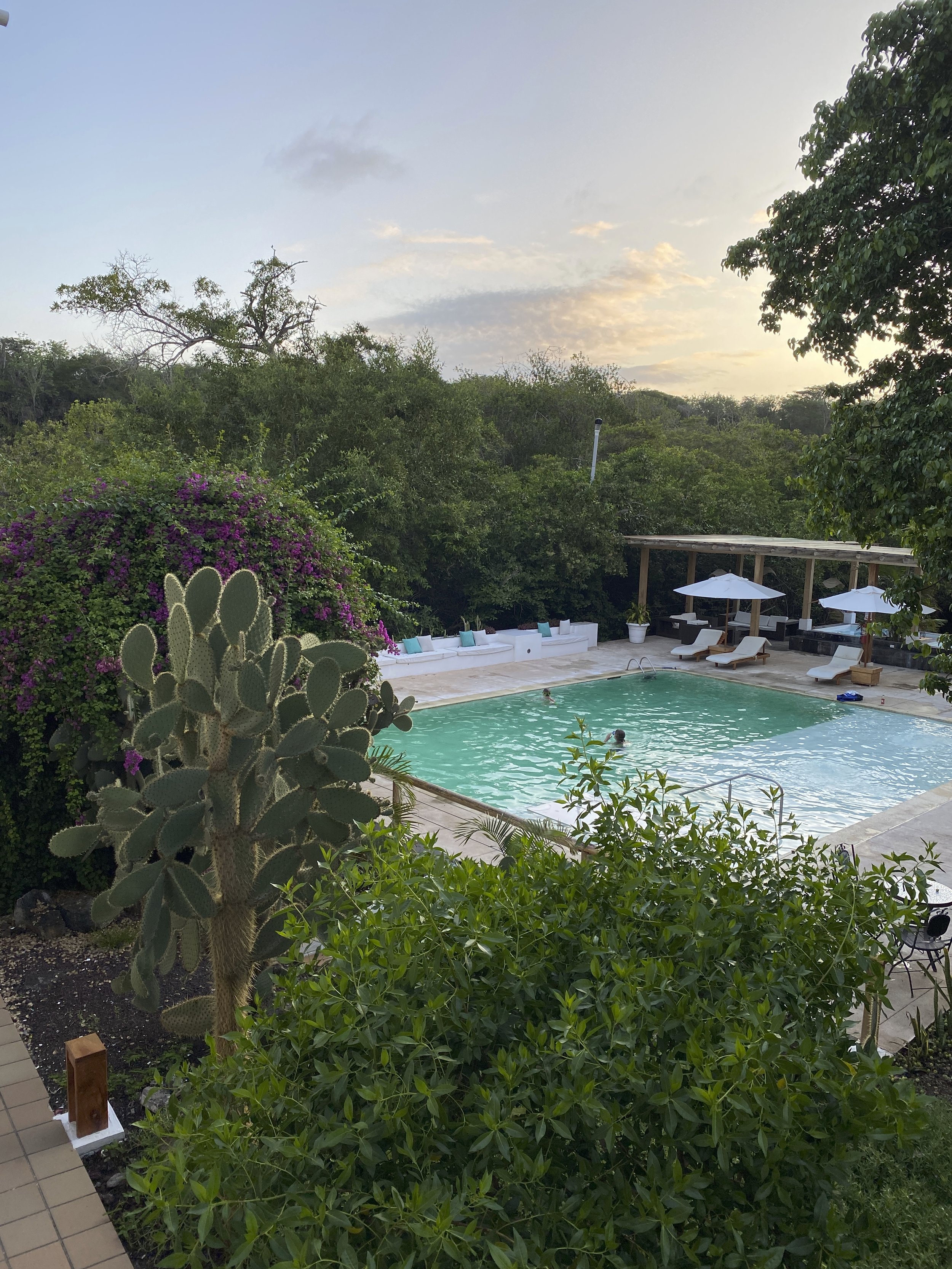
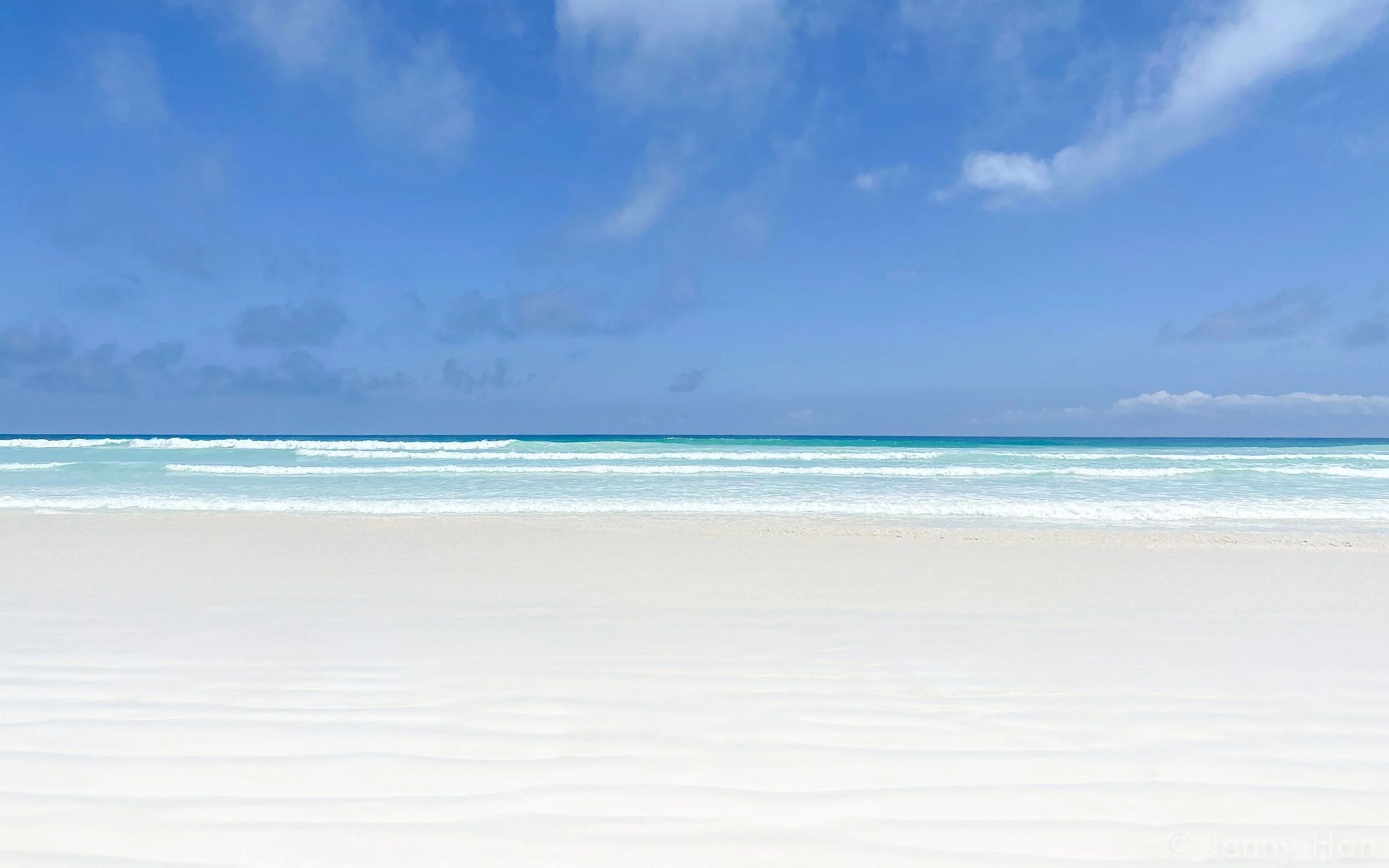
I still had several hours of daylight available after checking into the hotel. There was a great sense of urgency to see or experience something a.s.a.p. since it took FOREVER to get here. By this point, my friend and I set aside whatever basic intelligence was left in us and headed towards Tortuga Bay, which requires a 30-40 minute walk in the sweltering Ecuadorian heat. Mind you, I have been up since 3AM and have gone beyond feeling “a little weird” without properly feeding myself, all the while jumping through these logistical hoops. Of course, I take zero provisions to the beach other than sunscreen and some water. By the afternoon, the air feels monsoon-ish and the heat intensifies. I am just about to evaporate now. On the return, I walk in silence as if in deep meditation, wherein truth I was saving my poor body from being parched by speaking too much. White sand beach with turquoise water is worth all the effort.
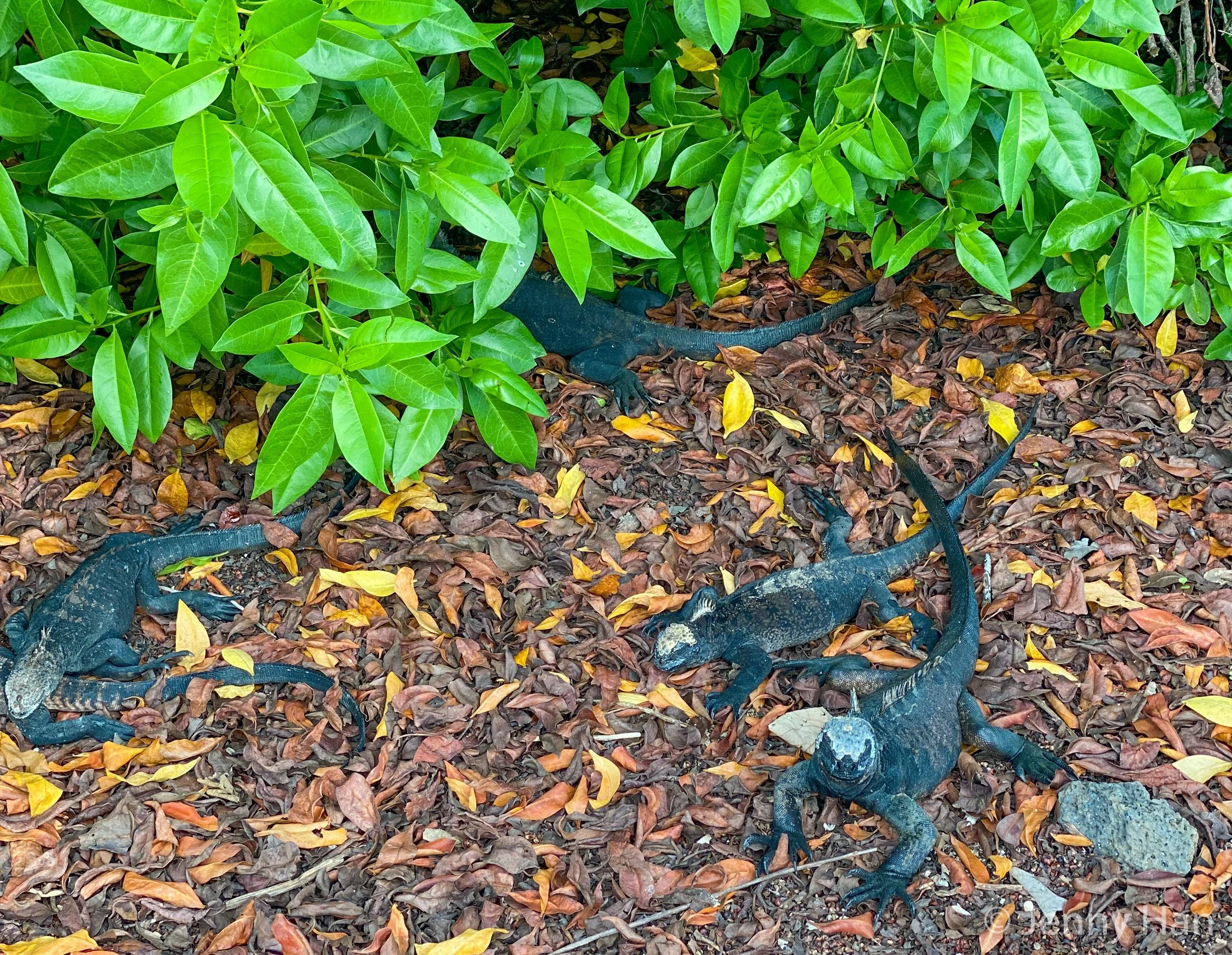
Amblyrhynchus cristatus hassi
Marine iguanas are endemic to the Galápagos Islands. This one was wandering solo.
04.03.2022 Las Grietas // Santa Cruz
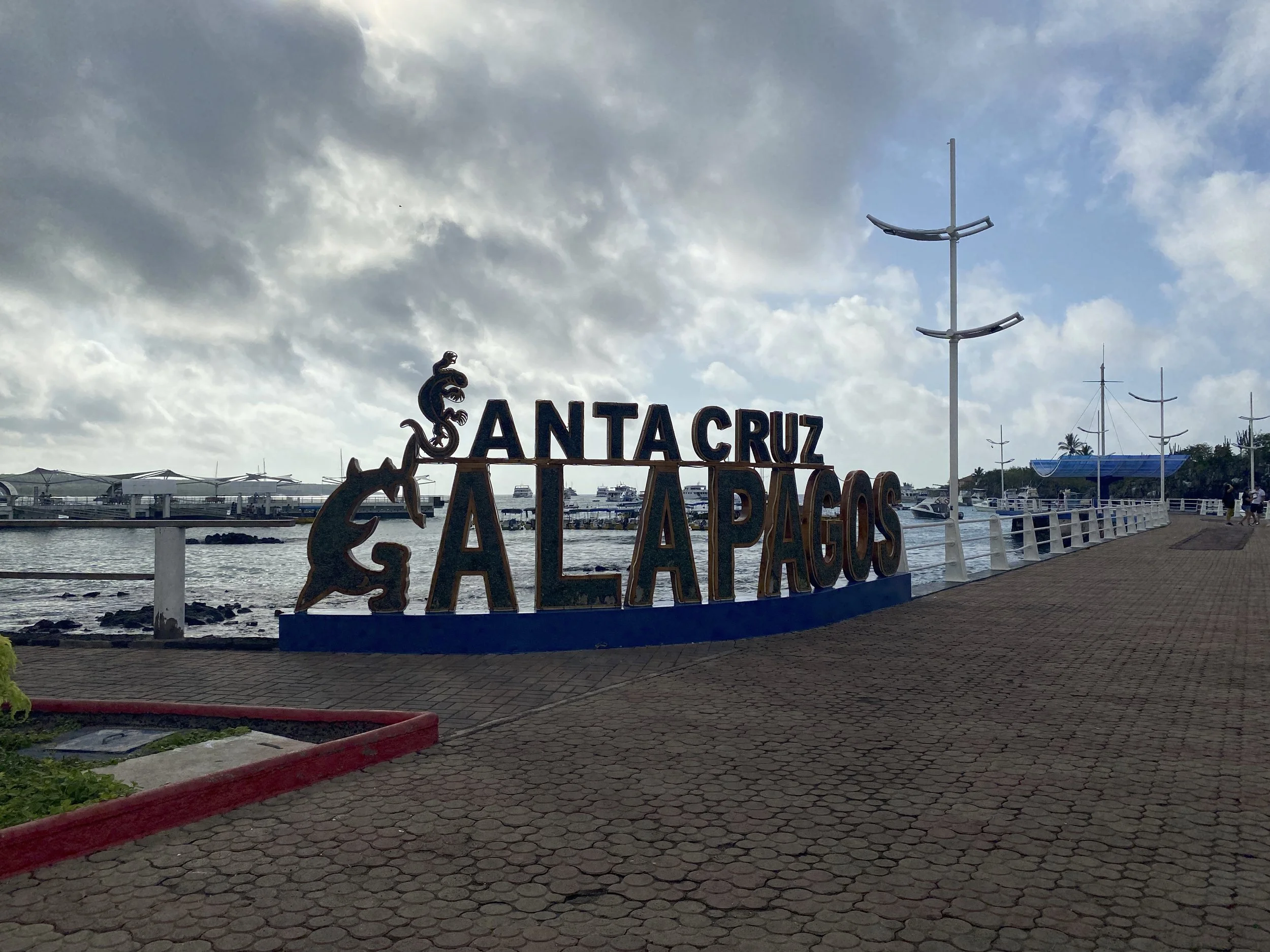
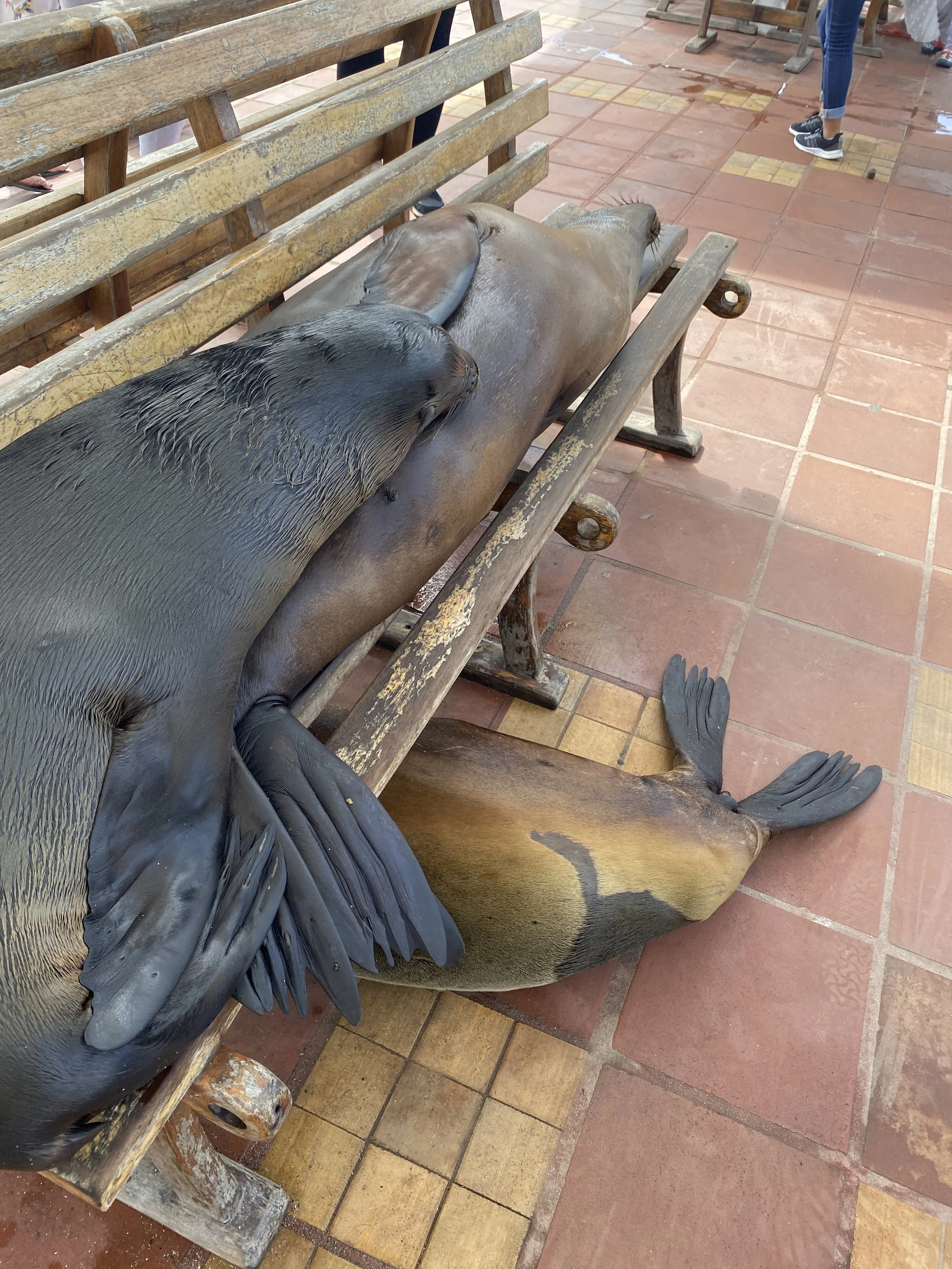
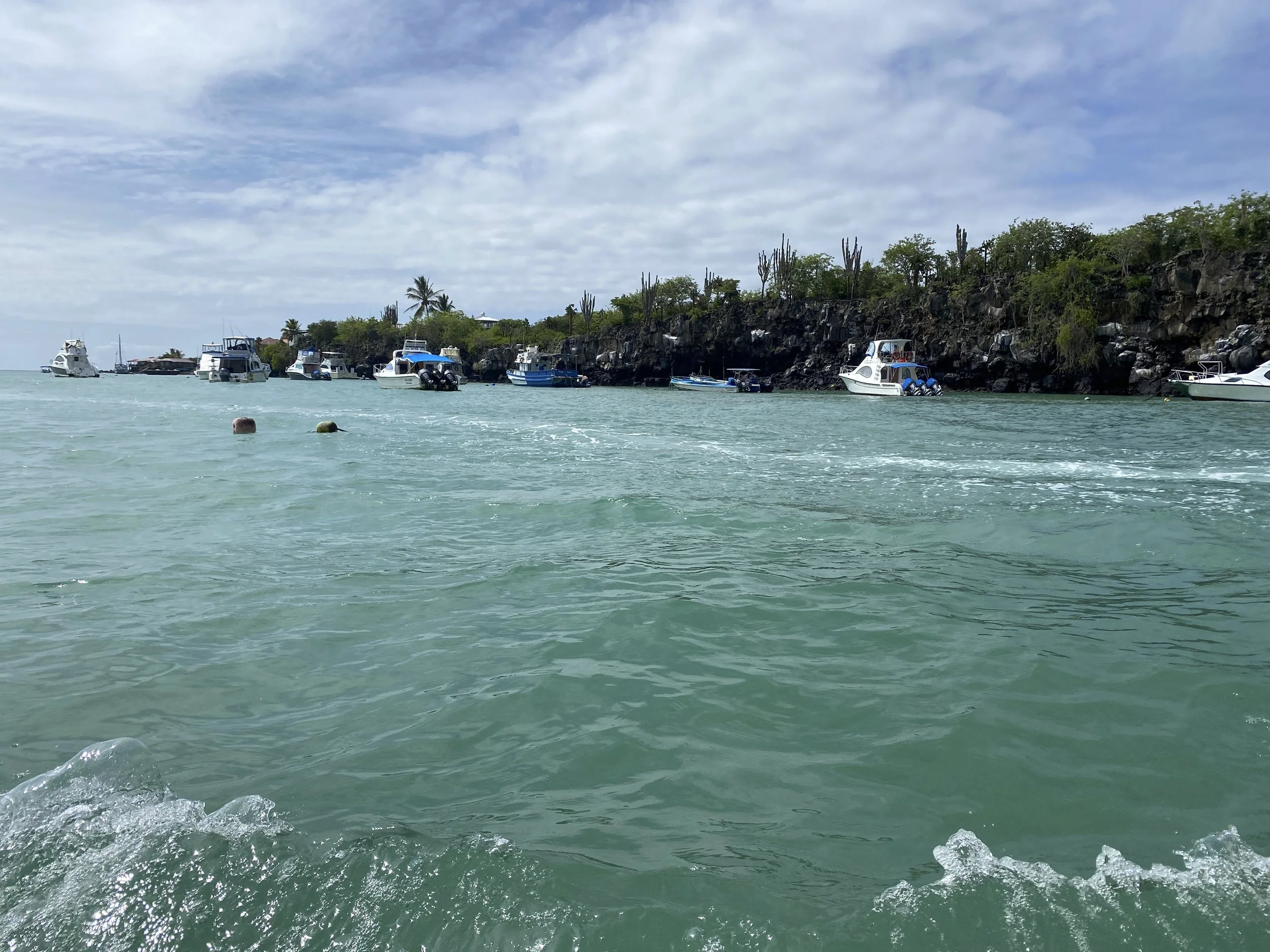
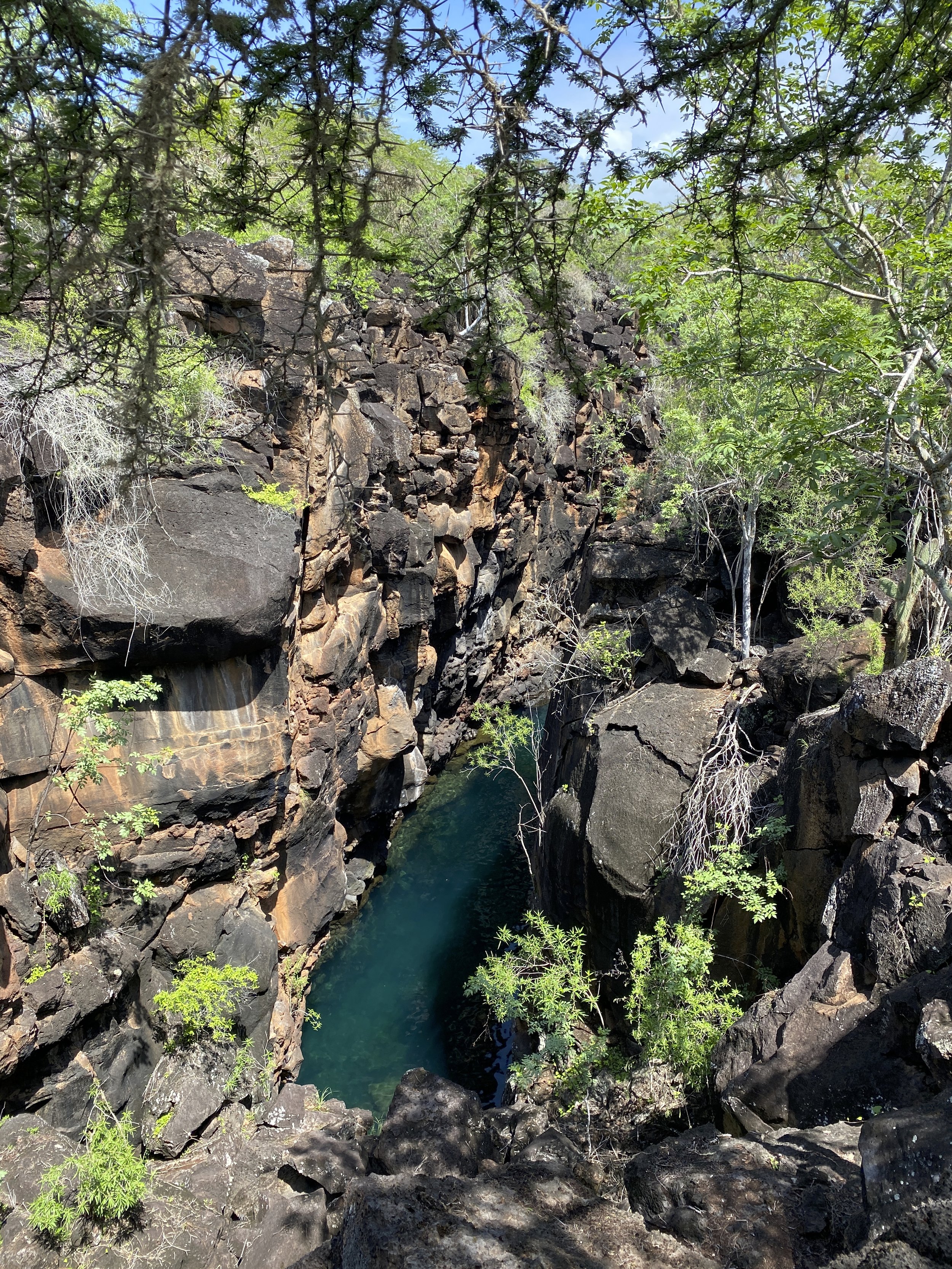
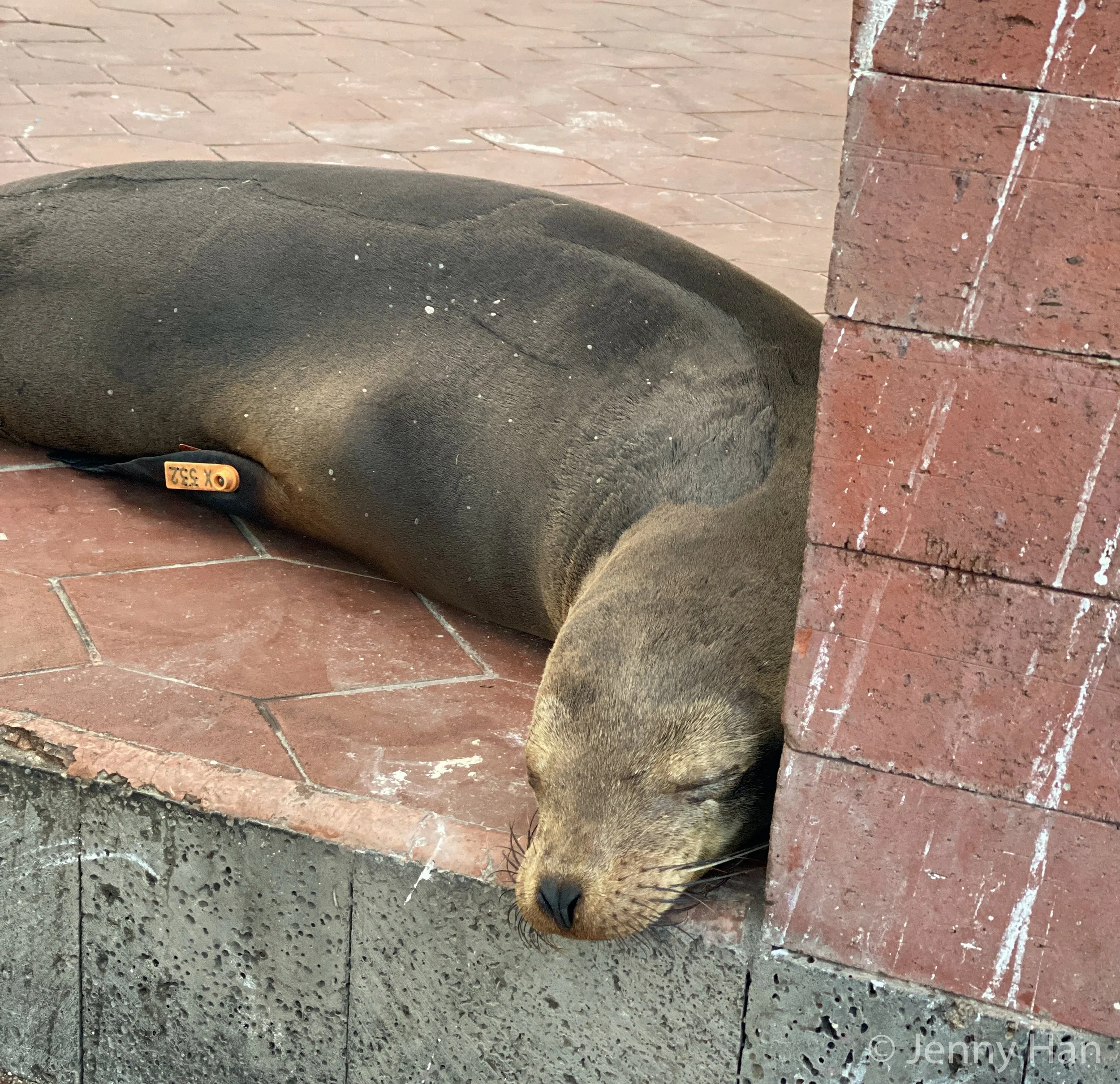
There are not many (any) areas that one can wander off or explore leisurely at the Galápagos Islands because essentially whole place has been established as a national park and a UNESCO World Heritage Site. Protected areas must be accompanied by an authorized naturalist guide and access is gained with a modest fee. To reach Las Grietas, all I know at this point is that I need to catch a $0.90 yellow water taxi. At the wharf, I was greeted by stinky sea lions sleeping very comfortably where people should be sitting. Chaos ensued with people coming and going, getting on and off the lanchas, children crying and adults yelling, and sea lions fluttering about and barking for milk. The boat ride lasted about a minute to cross Academy Bay to Angermeyer Point. Meandering through the red mangrove pathway for about 15-20 minutes, I arrive at Camino de Las Grietas where Danilo, our Guía Naturalista, has already corralled several people for the required tour. We leisurely hiked along the trail and finally reached Las Grietas which was already packed with people. Each guide and his/her group were allotted 45 minutes. It was a Sunday, and chaos further ensued as more groups of people poured in and gathered around the small wooden platform. I spoke with Danilo at length who shared with me that the pandemic was painfully difficult for the people of Galápagos when tourism dried up to nothing. People exchanged goods in lieu of currency, credit cards were maxed out, savings were depleted, and the government offered no help.
04.03.2022 Agermeyer Point // Santa Cruz
While waiting for my pescado encocado at lunch, many Sally Lightfoot crabs were scurrying about in the rain. Pelican taking a flight, probably to catch a fish.
04.03.2022 Los Gemelos // Santa Rosa, Santa Cruz
Before visiting the giant tortoise of Galápagos in the highlands, I made a pit stop at Los Gemelos. This is one of the twin giant sink holes formed when magma chambers collapsed, creating a crater-like structure. Up in the highlands, the climate changes drastically to a cooler, rainier environment and provides a wonderful escape from the Puerto Ayora’s sauna bath. The endemic Scalesia trees are thriving here and has taken over the forest, though the species is constantly threatened by encroaching invasive plants (e.g., blackberry and quinine) as well as deforestation caused by expanding agricultural needs. Just like everywhere else on the planet, these habitats are shrinking and conservation efforts are currently in place to protect these important habitats, which are homes to many endemic species. It is fascinating to witness the existence of these microclimates in striking distance from each other.
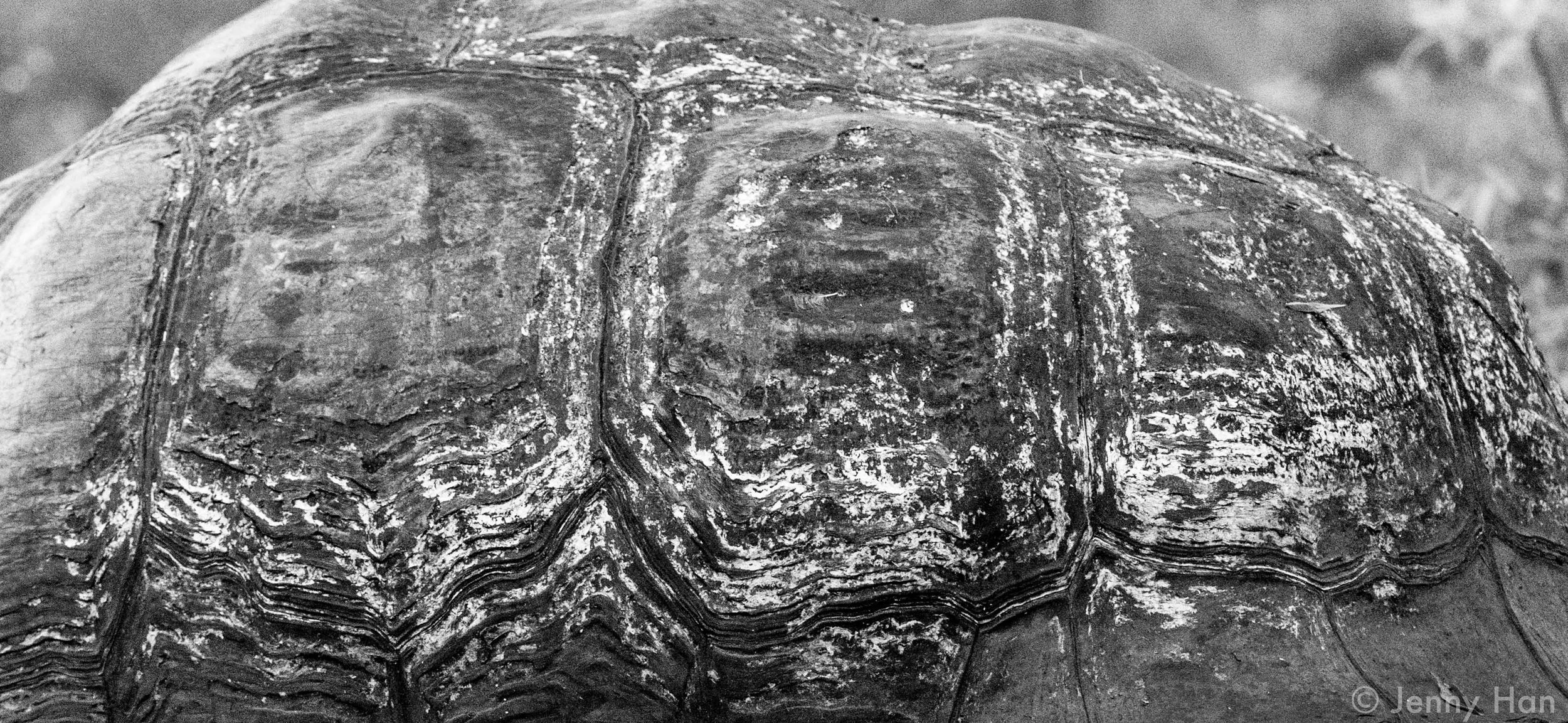
Galápagos Giant Tortoises
Santa Cruz Highlands
04.03.2022 Chelonoidis porteri // Rancho Primicias, Santa Cruz
This is a Western Santa Cruz Giant Tortoise and the ones dwelling on the eastern side of the same island is a different species. All of the species of the Giant Tortoises are either on the “Vulnerable” to “Critically Endangered” lists (https://www.galapagos.org/conservation/our-work/tortoise-restoration/) with two species already extinct, namely Foreana and Pinta Giant Tortoises.
04.03.2022 Galápagos White-Cheeked Pintail Ducks // Santa Rosa, Santa Cruz
Puerto Villamil
Isla de Isabela
04.04.2022 Puerto Villamil // Isabela Island
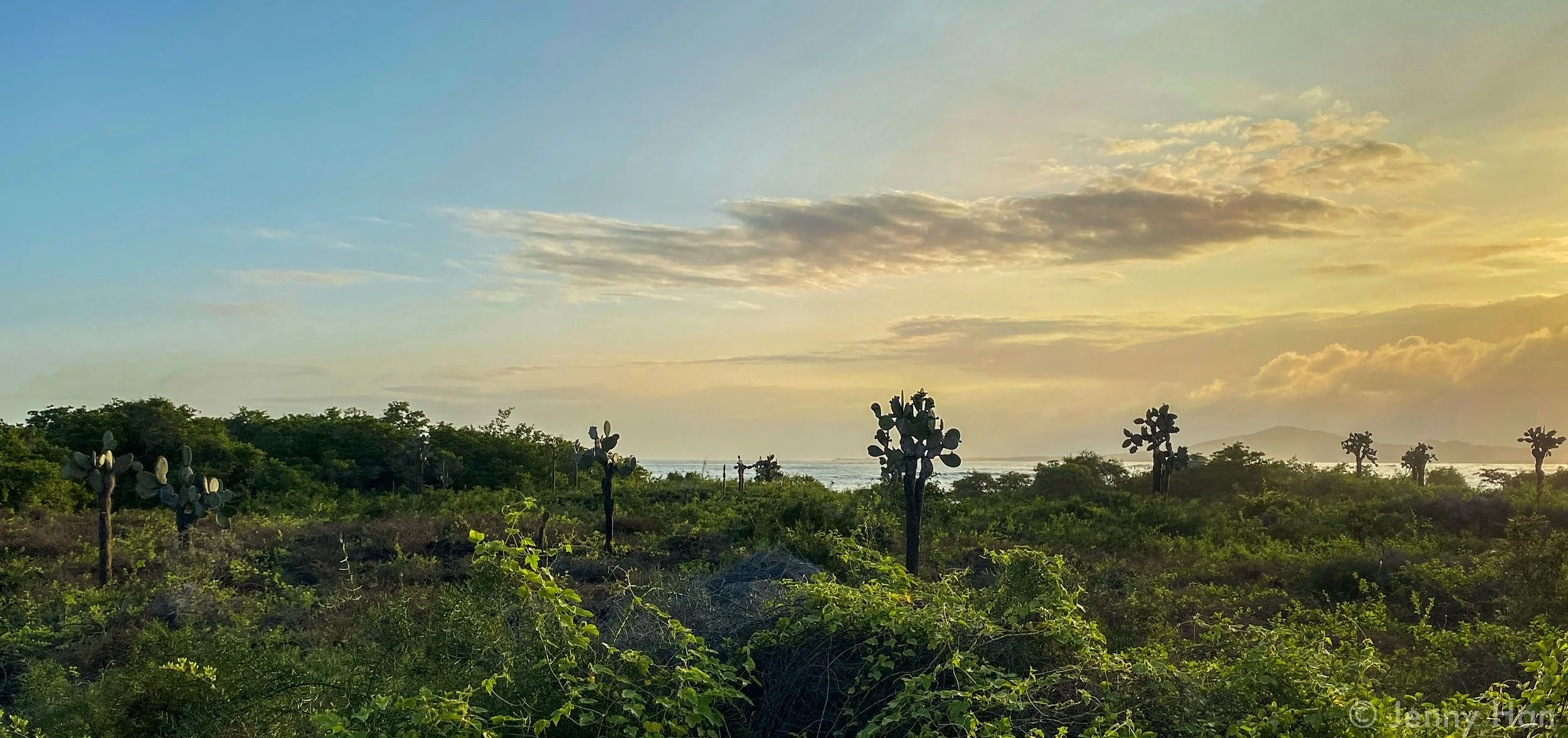
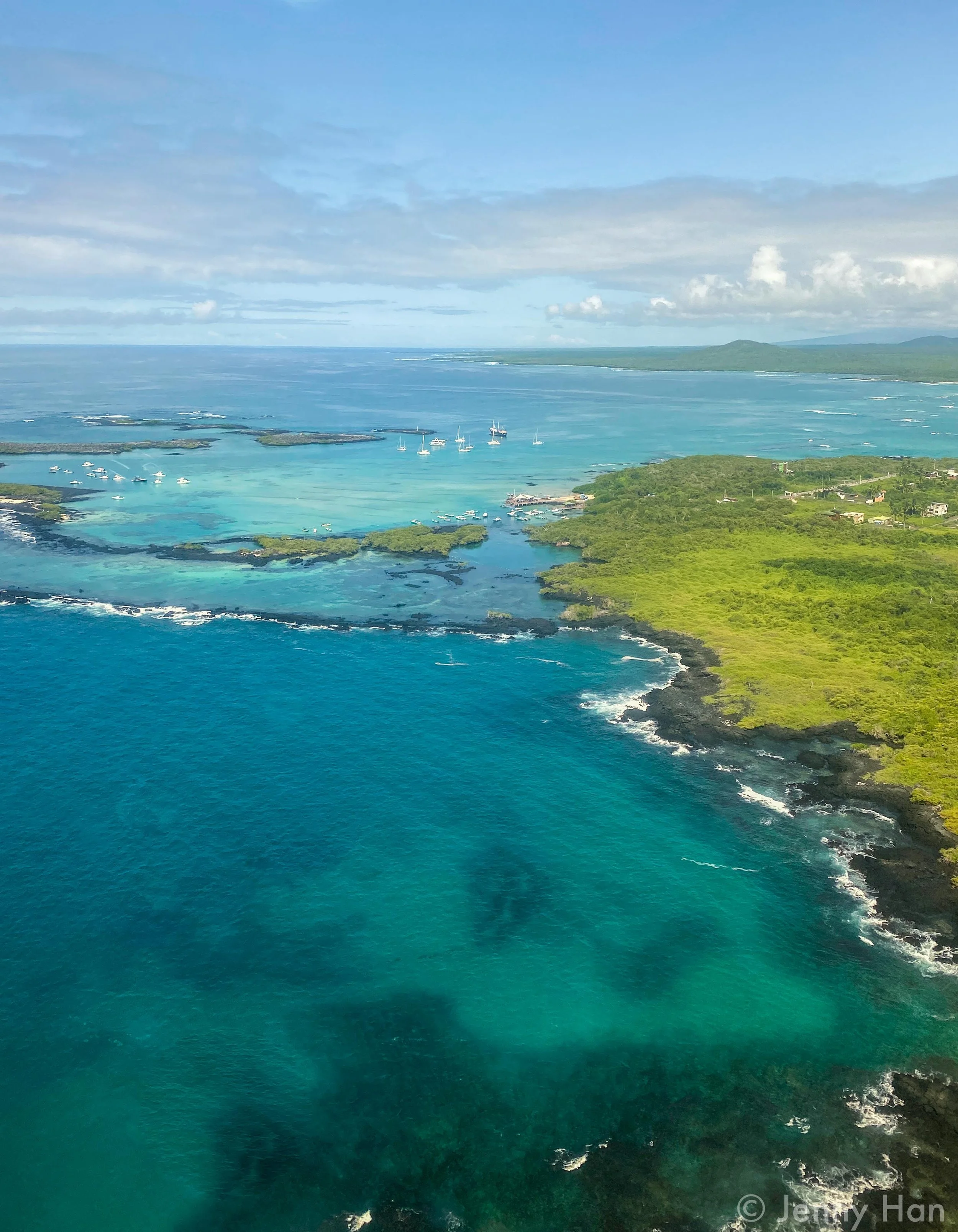
Rather than crossing the Pacific Ocean in a small boat for 2.5 hours, I opted to take an inter-island flight from Santa Cruz to Isabela Island. Even though it was only a 30 minute flight, the logistics of getting to the airport from Puerto Ayora can be a deterrent. Bottomline, I did avoid sea-sickness but pretty much spent the same amount of time in transit. I absolutely love Isabela with its relaxed beachy, hippy vibe. The place is far less crowded, quieter and much more of what I wanted to experience. The climate is drier and the air flows through comfortably. Before turning in early for tomorrow’s excursion, I caught the last few hours of the sun on the white-sand of Playa Grande.
04.05.2022 Sierra Negra Volcano Hike // Isabela
The total roundtrip for the hike from the trailhead to Volcano Chico is about 10 miles (16km) and takes 5~6 hours to complete. While the hike is not super challenging, it is many hours of trekking on uneven surface of loose volcanic rocks and muddy trails on rainy days. It can feel really long…
Sierra Negra Caldera // The recent eruption in June 2018 lasted two months with magma spilling out northernly to Volcan Chico while also raising the caldera bed to about 6 feet higher. The caldera is shaped oval, spanning about 5 miles East-West and about 4 miles North-South. Sierra Negra has lower amounts of silica which influences how easily gases escape, the viscosity of the lava, and determines the overall shape of the volcano.
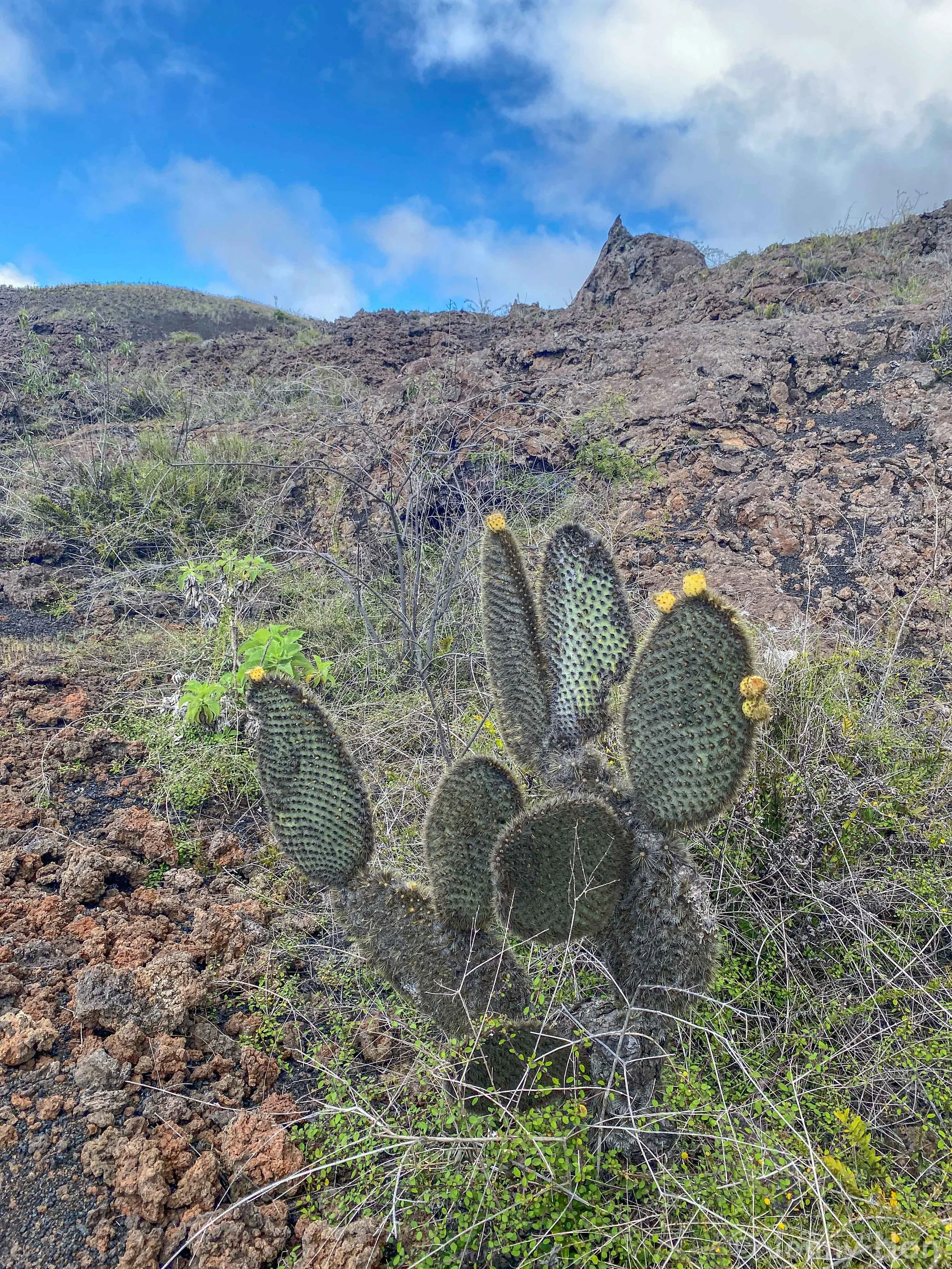
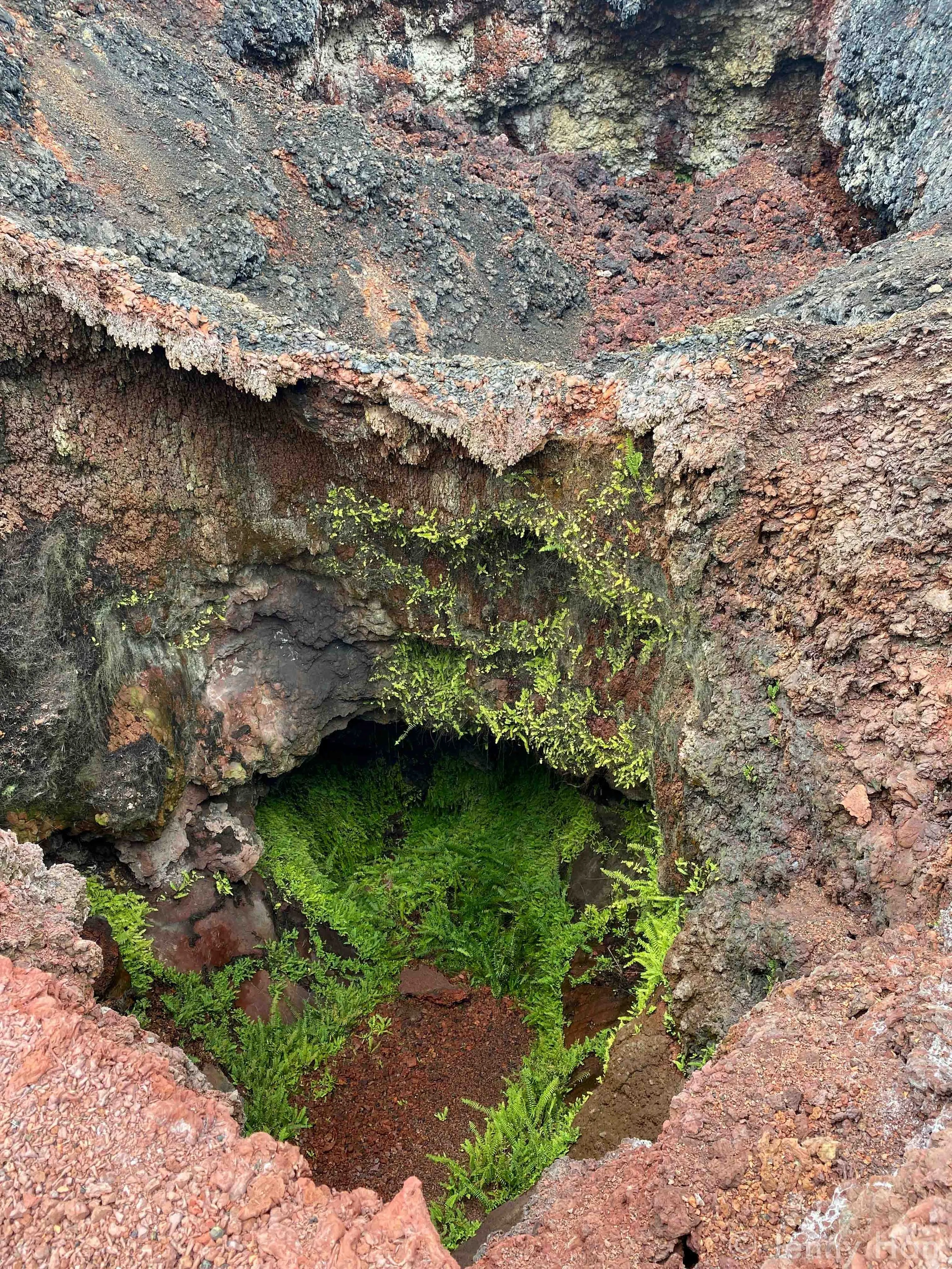
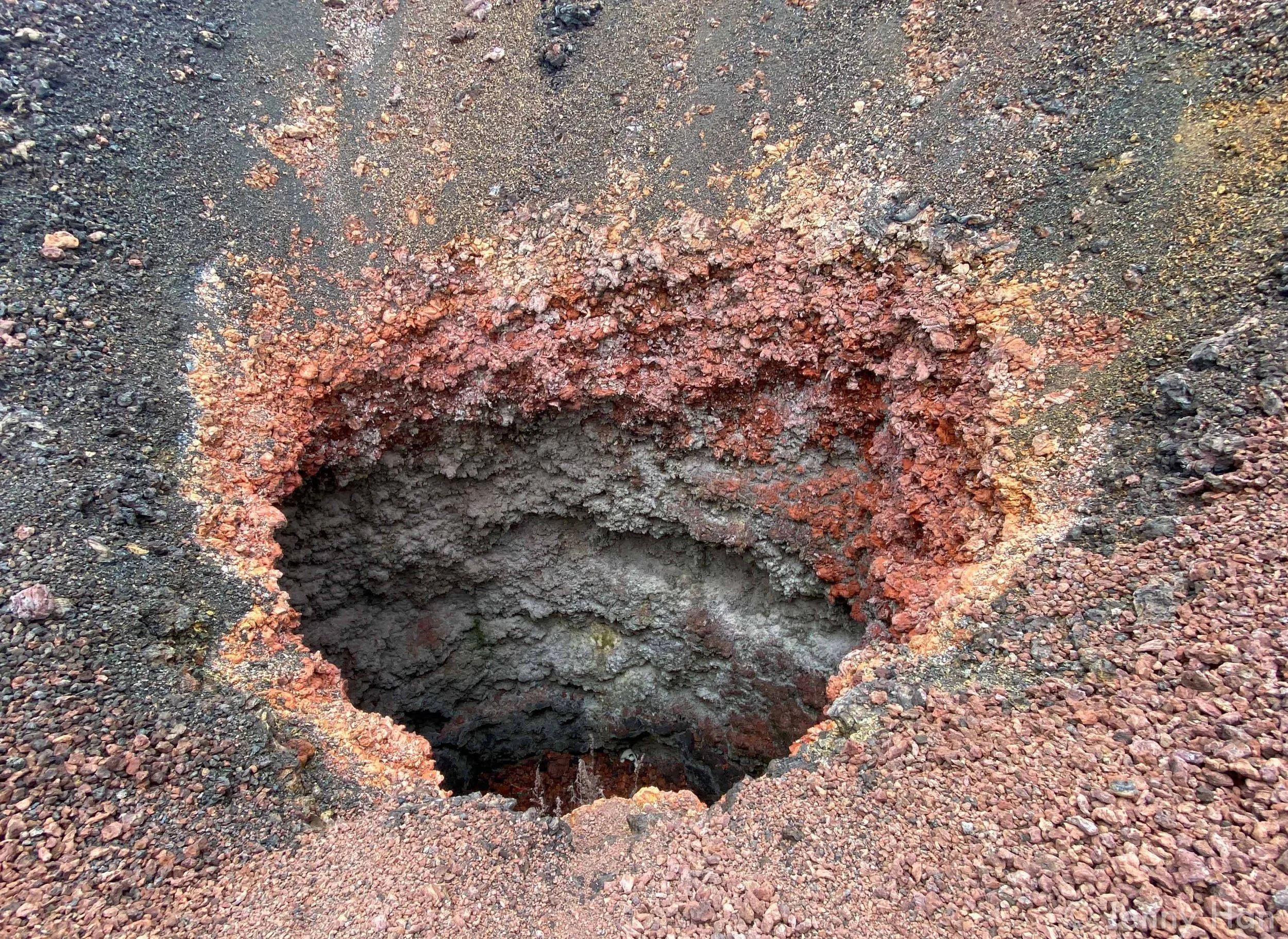
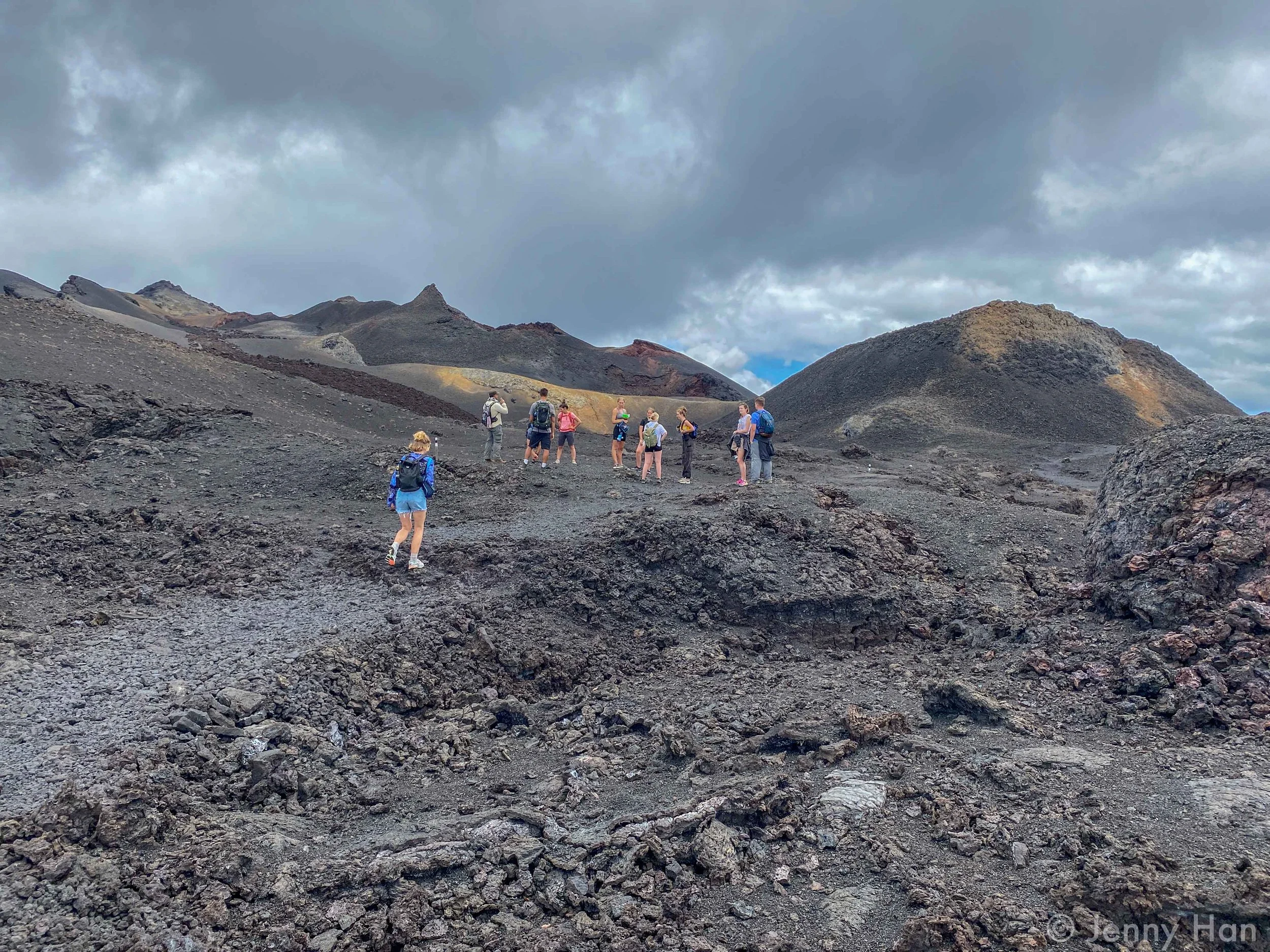
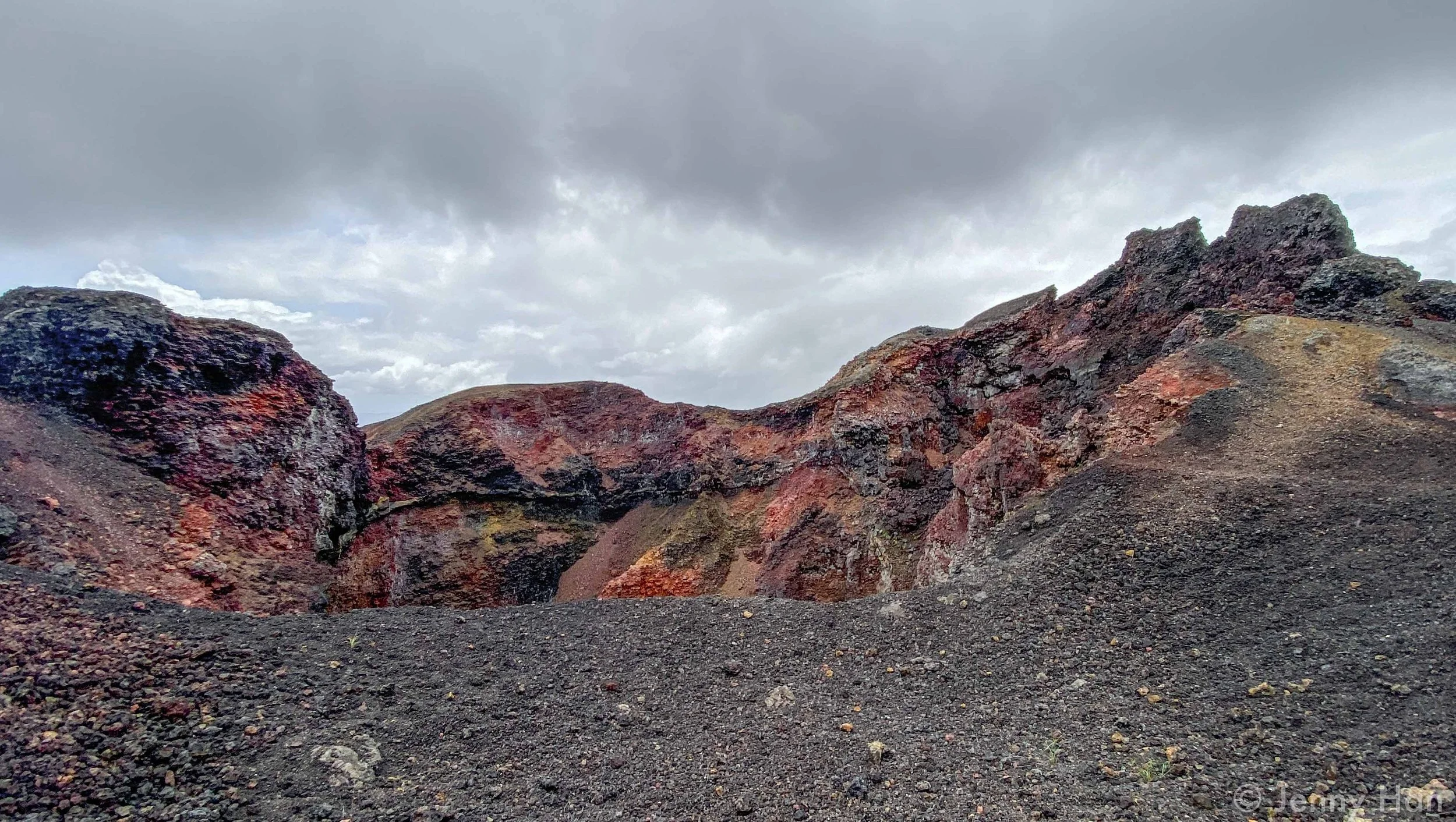
04.05.2022 Volcan Chico // The terrain changes very abruptly from the northern crust of the volcano. It is strange to see vegetation and cactus going out in the midst of volcanic rubble. The areas closer to Volcan Chico is very raw and definitely feels like a different planet. Volcan Chico is not really a volcano but rather a large area with crumbling fissure points which still to this day release gas and steam in early morning hours.
04.05.2022 Elizabeth Bay // Very difficult shooting conditions with harsh highlights and deep shadows. At moments like this, I wish I had more time (alone) on my side to properly compose, set up my tripod and filters, and wait for better conditions. This picture cannot express the expansiveness of the area and the beautiful, dreamy and serene Elizabeth Bay on the horizon. No ND.
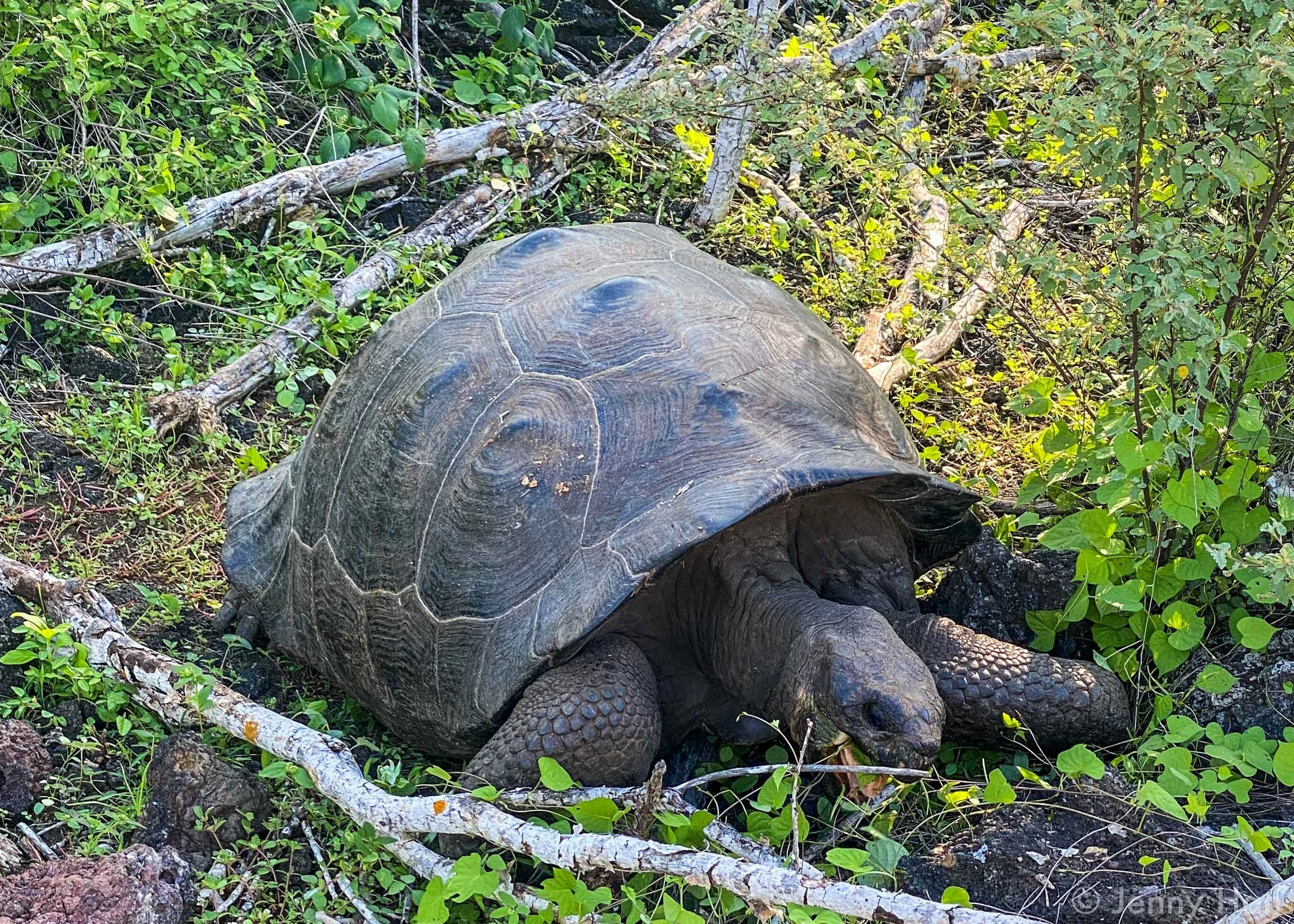
Chomp. Chomp.
04.05.2022 Chelonoidis guentheri (Sierra Negra Giant Tortoise) // Los Humedales (Wetlands), Isabela
After the hike and a couple of celebratory Clubs, I had the afternoon open to explorer the rest of Puerto Villamil. I rented a mountain bike with loud, horrible sounding breaks which probably scared off the flamingos I was wishing to spot. The path to Los Humedales (wetlands) is well-paved but really long and very exposed to the equatorial sun. The flamingos were nowhere to be seen in the lagoons, thanks to my loud ass bike, but I spotted a few giant tortoises enjoying their early dinner. Fascinatingly, Isabela Island has five different species of the giant tortoises. As the island merged from six separate shield volcanos (Ecuador, Wolf, Darwin, Alcedo, Sierra Negra, Cerro Azul) the tortoises on each volcano were isolated by the growing lava fields. Can you image a tortoise trying to mosey over volcanic cinders, lava rocks with sharp edges with its stumpy, slow moving legs just to get a bite of fresh set of leaves or to find a new mate? It sounds exhausting!
04.05.2022 El Muro de las Lágrimas (Wall of Tears) // Puerto Villamil, Isabela
On the far end of Puerto Villamil heading westbound, past the glorious white sand beaches and the lush lagoons, lies this massive pile of volcanic rocks stretching more than 300 feet in length and 20 feet in height. It is a somber reminder of our ability as human beings to be heartless, demonstrating blatant dehumanization and inflicting cruelty. During the penal colony times of Puerto Villamil in the 1940’s, the convicts were forced to construct this wall for no real reason and many who suffered died building it.
04.05.2022 Mirador de la Bahia // Puerto Villamil, Isabela
At the southern end of the Wall is a trailhead leading up to Bay Lookout Point. How sweet it is to wrap up the day with such a grand panoramic view.
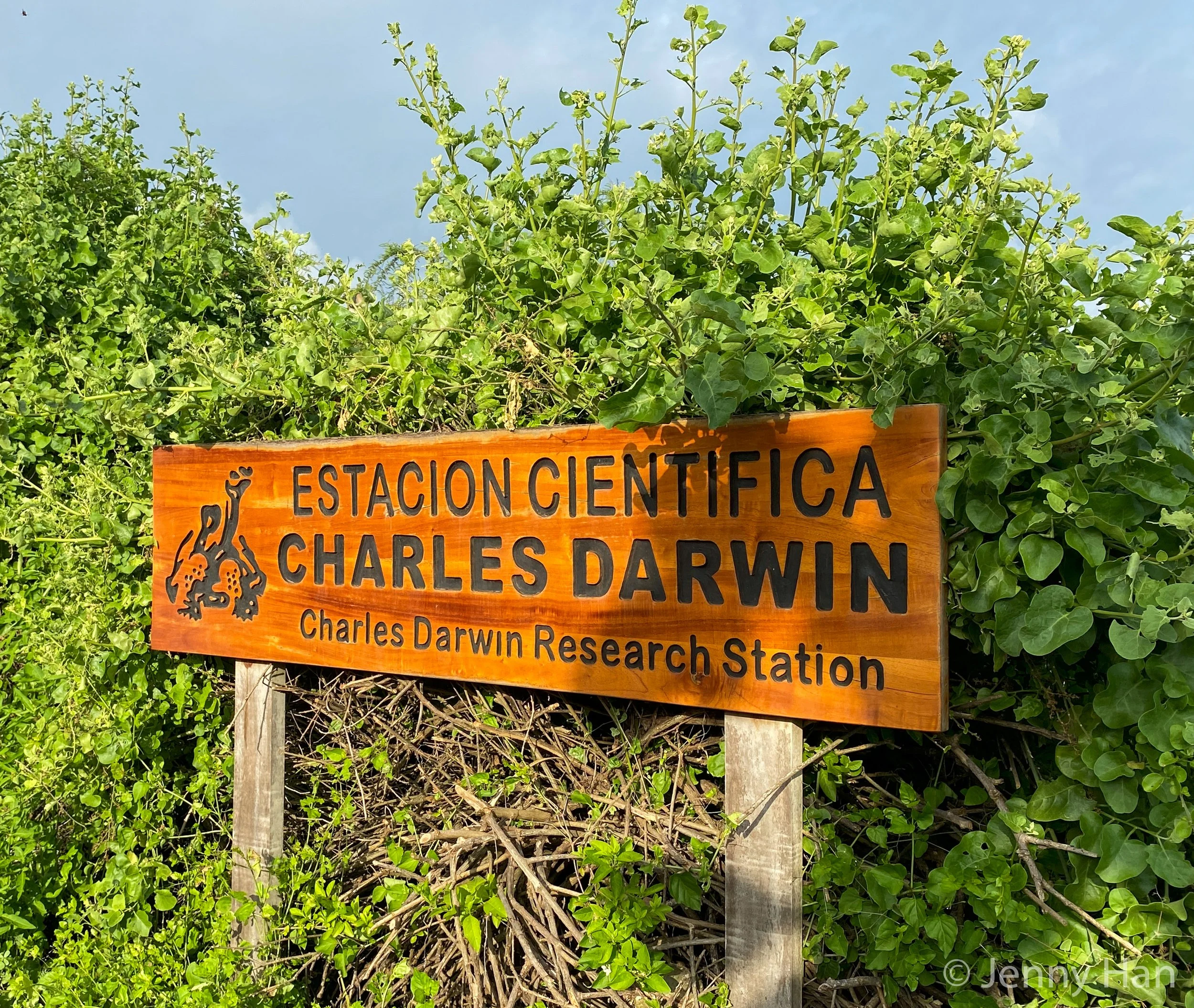
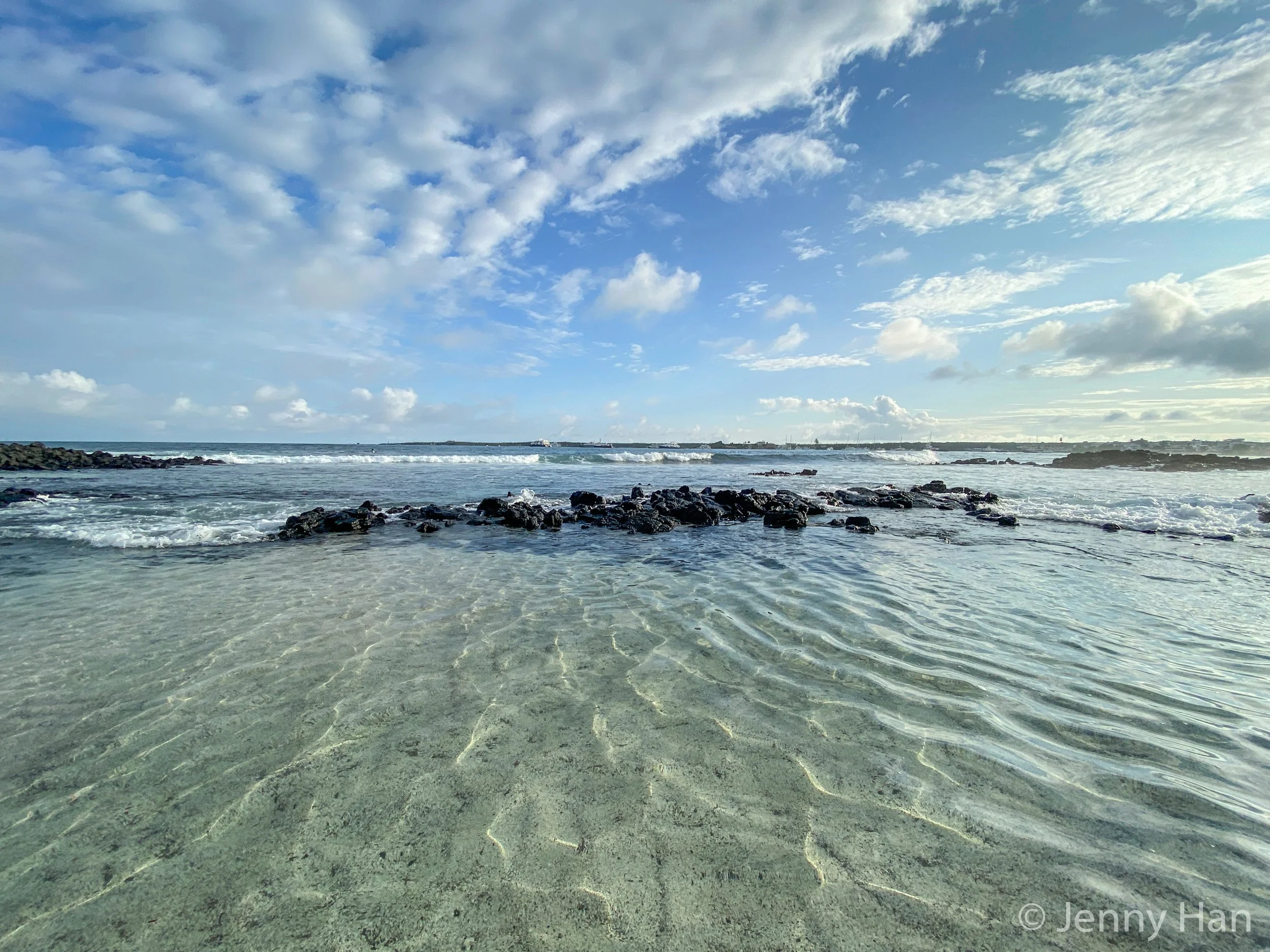
04.06.2022 Pecking Around // Puerto Ayora, Santa Cruz
The following day I returned to Santa Cruz Island and kept it low-keyed, just pecking around Puerto Ayora and spent the afternoon at the Charles Darwin Research Station. The Station displays in-depth breeding stages of the giant tortoises and summarizes the various conservation programs of the endemic Galápagos species. The tortoise population is on the brink of extinction due to predation of their eggs and hatchlings by ants, flies, other mammals including homo sapiens stuffing dozens of eggs in suitcases for exotic trades. The Galápagos Islands once suffered infestation of the Australian Cotton Cushion Scale, a pest destroying the native plants, including cacti and fruit trees that the tortoises rely on as food resource. Australian Lady Bugs were introduced to combat the problem and have kept the pest growth in control. In a separate preservation room, kept cold and dark, the Station displays a taxidermied Pinta Island Giant Tortoise (Chelonoidis abingdonil) named Lonesome George, the last one of its kind now extinct since his passing in 2012. The day was wrapped up with a sunset view along the Academy Bay and a couple of Clubs.
Om Mani Padme Hum
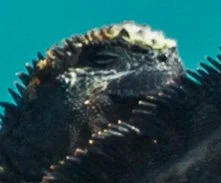
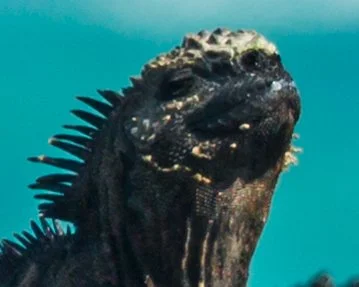
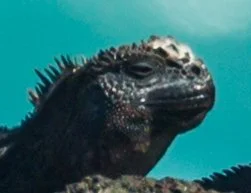
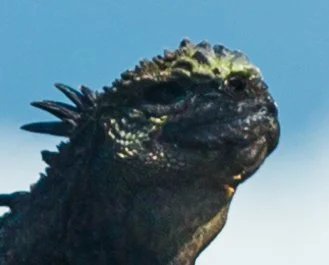
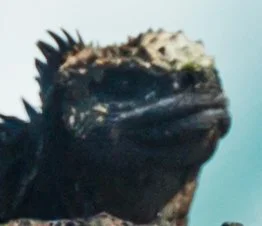
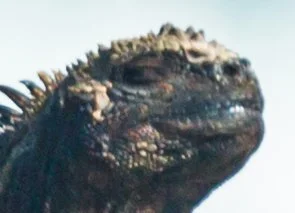
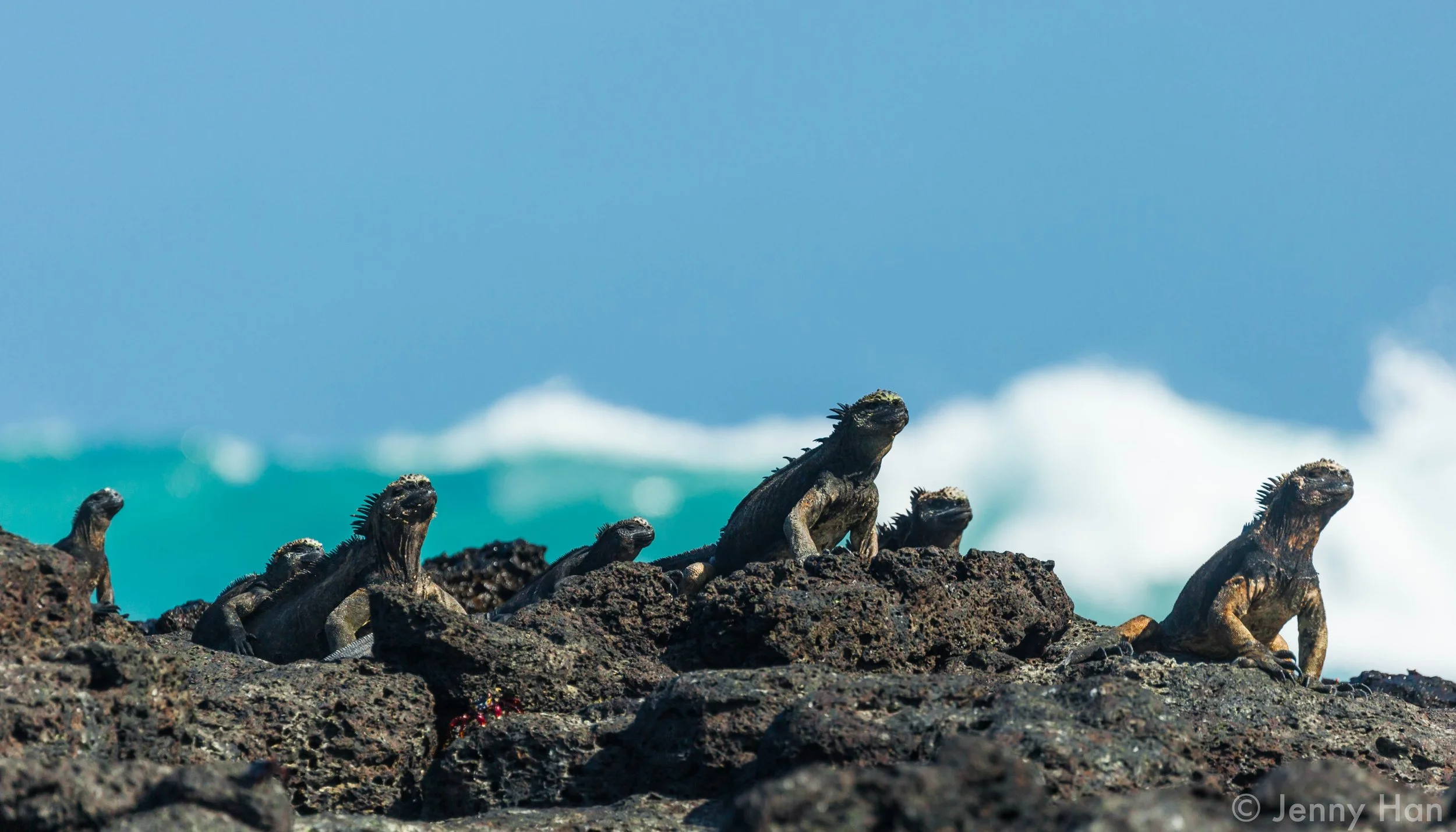
04.07.2022 Seven Marine Iguanas // Tortuga Bay, Santa Cruz
I had an open day and wanted to take it easy by re-visiting Tortuga Bay, since I rushed it the first time around. On the western end of Tortuga Bay is a quiet lagoon called…Tortuga Laguna, situated behind rows of red mangroves. It is rather a peaceful place with soft sand, calm water and could have been a cool place to hang out but the horseflies and wasps quickly soured the mood. Getting bitten by a horsefly is not a fun experience and hurts more than you would think. Regardless, I had so much fun capturing these groups of marine iguanas basking on the rocky shores.
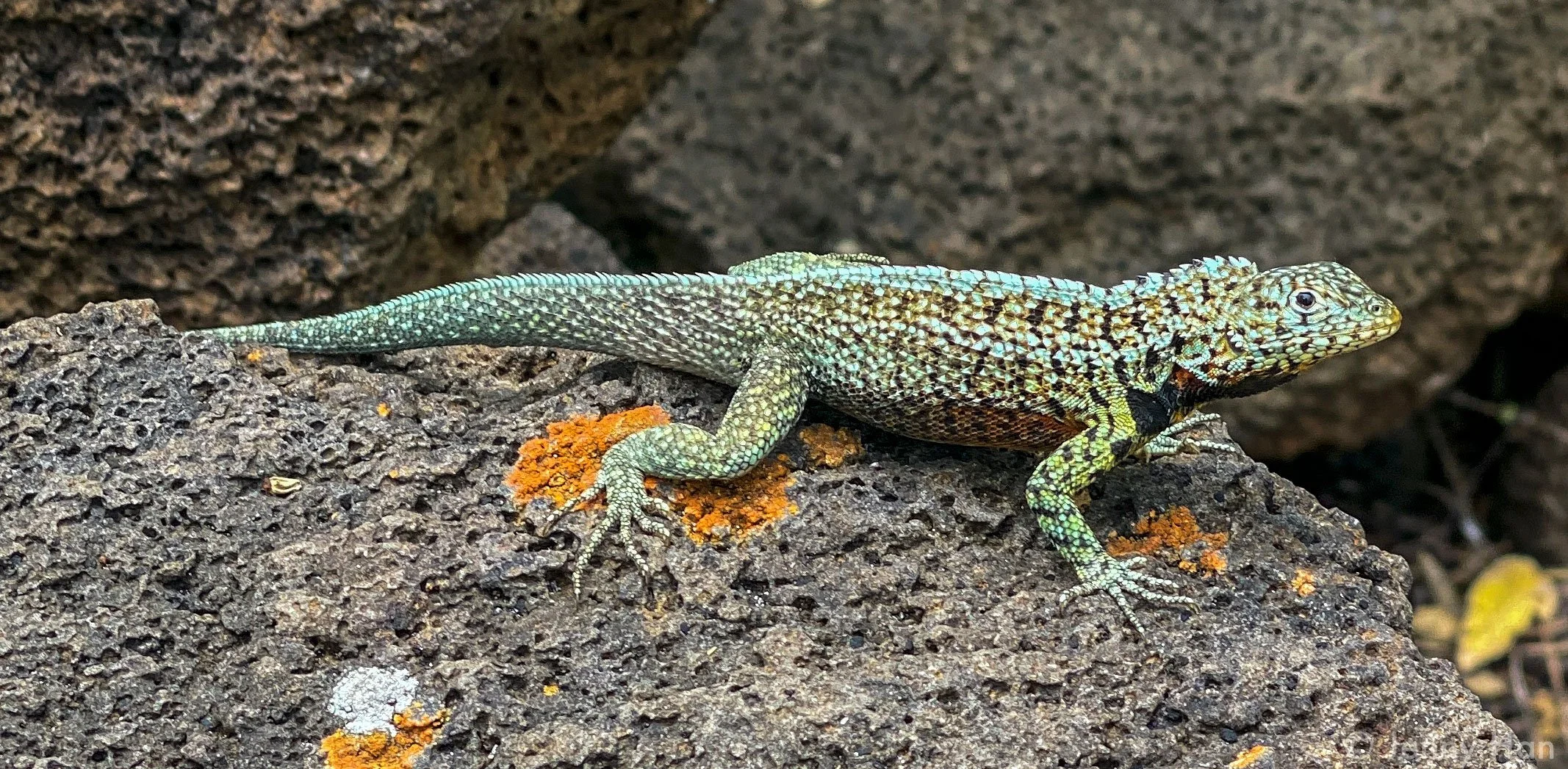
04.07.2022 Microlophus indefatigabilis (Santa Cruz Lava Lizard) // Tortuga Bay, Santa Cruz
Though commonly seen on the trail to Tortuga Bay, these lava lizards are only found on Santa Cruz, Baltra, Seymour Norte and the 13 surrounding islets of these islands.
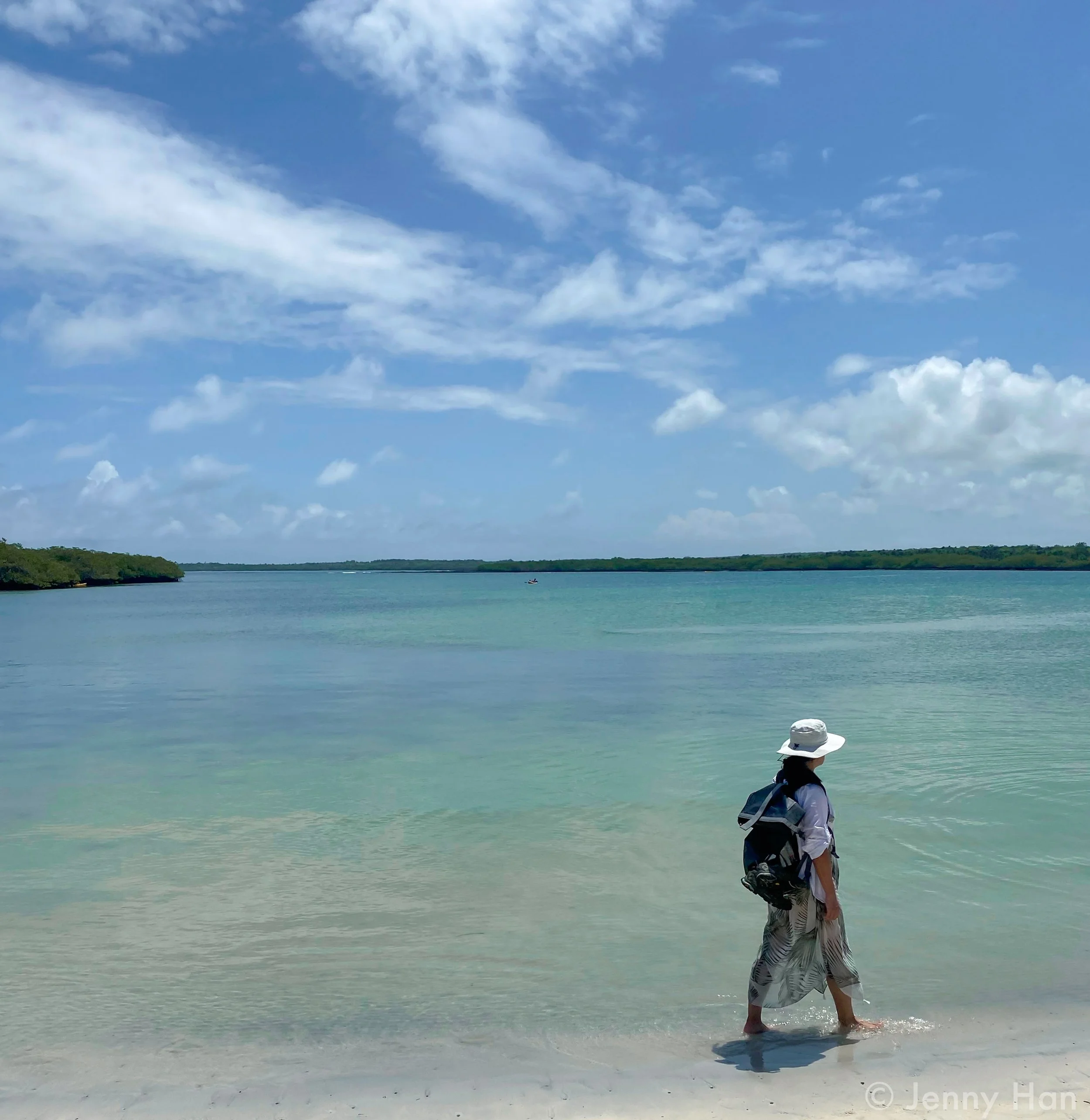
Photo credit to my friend who captured me sauntering along the shores of Tortuga Laguna.
04.07.2022 Pelecanus occidentalis (Galápagos Brown Pelican) // Tortuga Laguna, Santa Cruz
While seemingly not as “exotic” as some other sea birds, pelicans are quite impressive as they plunge-dive into ocean in order to catch a meal. With their wide wing-span, they glide through the air effortlessly, showing off their flight skills in riding the wind. Athletic, agile and regal is how I would describe them.
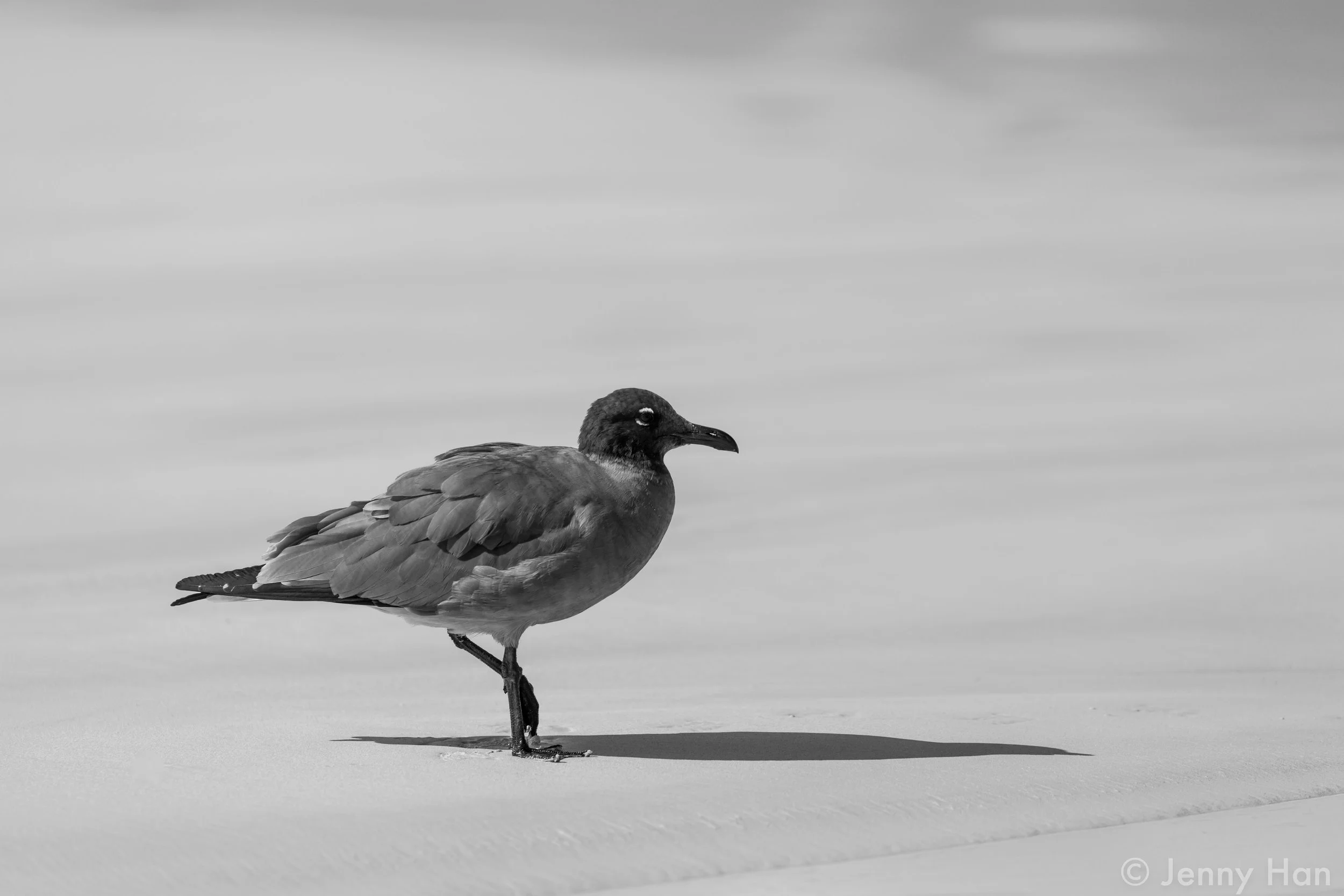
04.07.2022 Larus fuliginosus (Galápagos Lava Gull) // Tortuga Bay, Santa Cruz
One of the rarest gulls in the world and endemic to the Galápagos Islands, the Lava Gulls are listed Vulnerable on the conservation status with the smallest gull population of approximately 400 pairs. They don’t venture far out to the ocean and hang close to inland. This bird remained calm while I was composing and was not scared of my presence. It was probably wishing for a little treat. No touching. No feeding. Stay 6 feet apart.
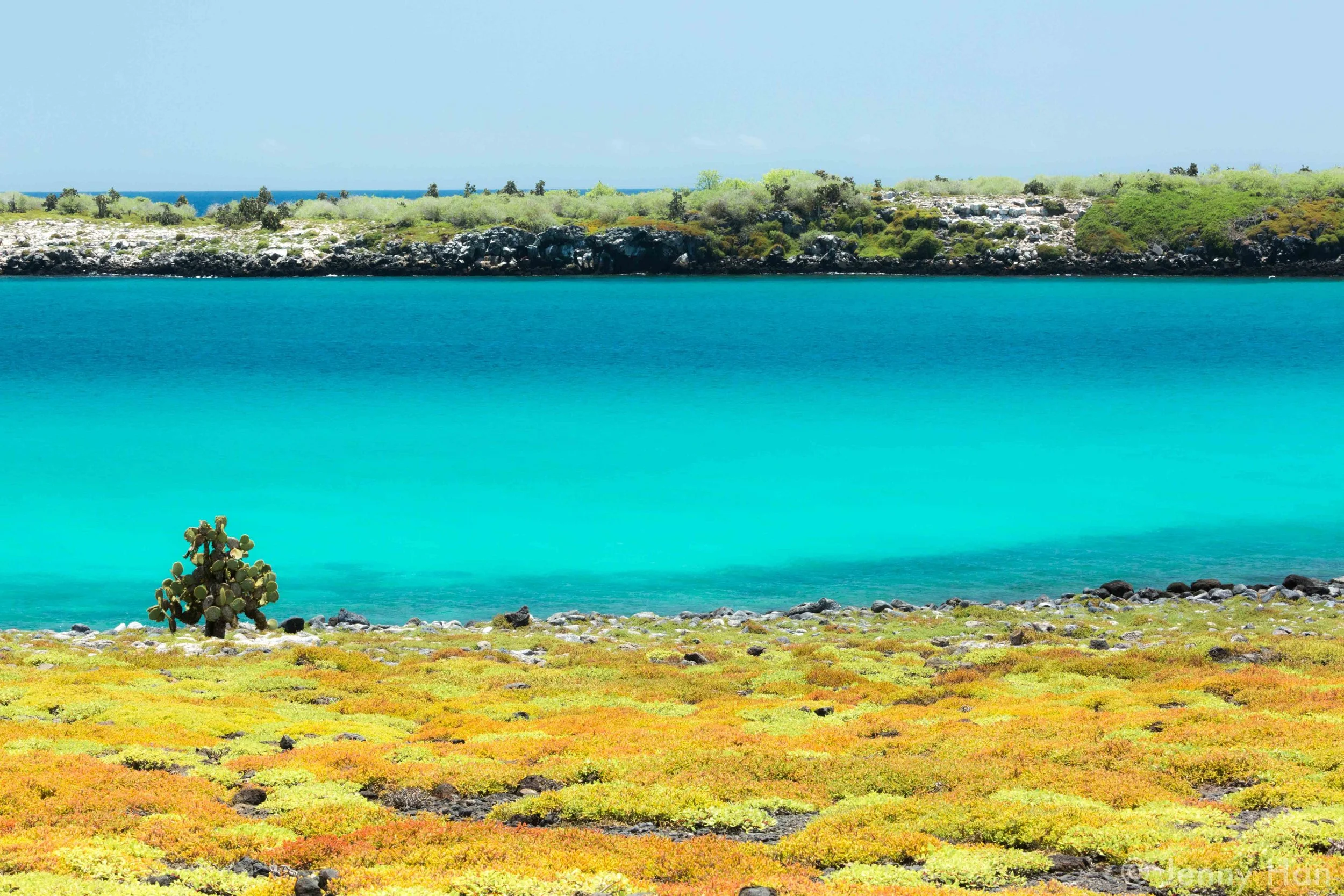
Plaza Sur
04.08.2022 Isla Plaza Sur // The Plazas
On the eastern front of Santa Cruz Island after about 2.5 hours of boat ride, there are two crescent shaped islands referred to as the Plazas which were formed by the lifting of the ocean floor. While the North Plaza is conserved for research studies, visitors are allowed to disembark on the South Plaza. This place is out of this world beautiful and untainted by human touch. Interestingly enough, it is the only place in all of Galápagos Islands where both marine and land iguanas share habitats. Their breeding seasons overlap a bit and have led to some inter-breeding, thus producing hybrid iguanas showing traits and characteristics of both species. So far, only about 20 hybrids have every been sighted and the scientists surmise that most are sterile. Sea lions are abundant on the rocky shores facing Plaza Norte while various coastal and sea birds nest precariously on the southern cliff.
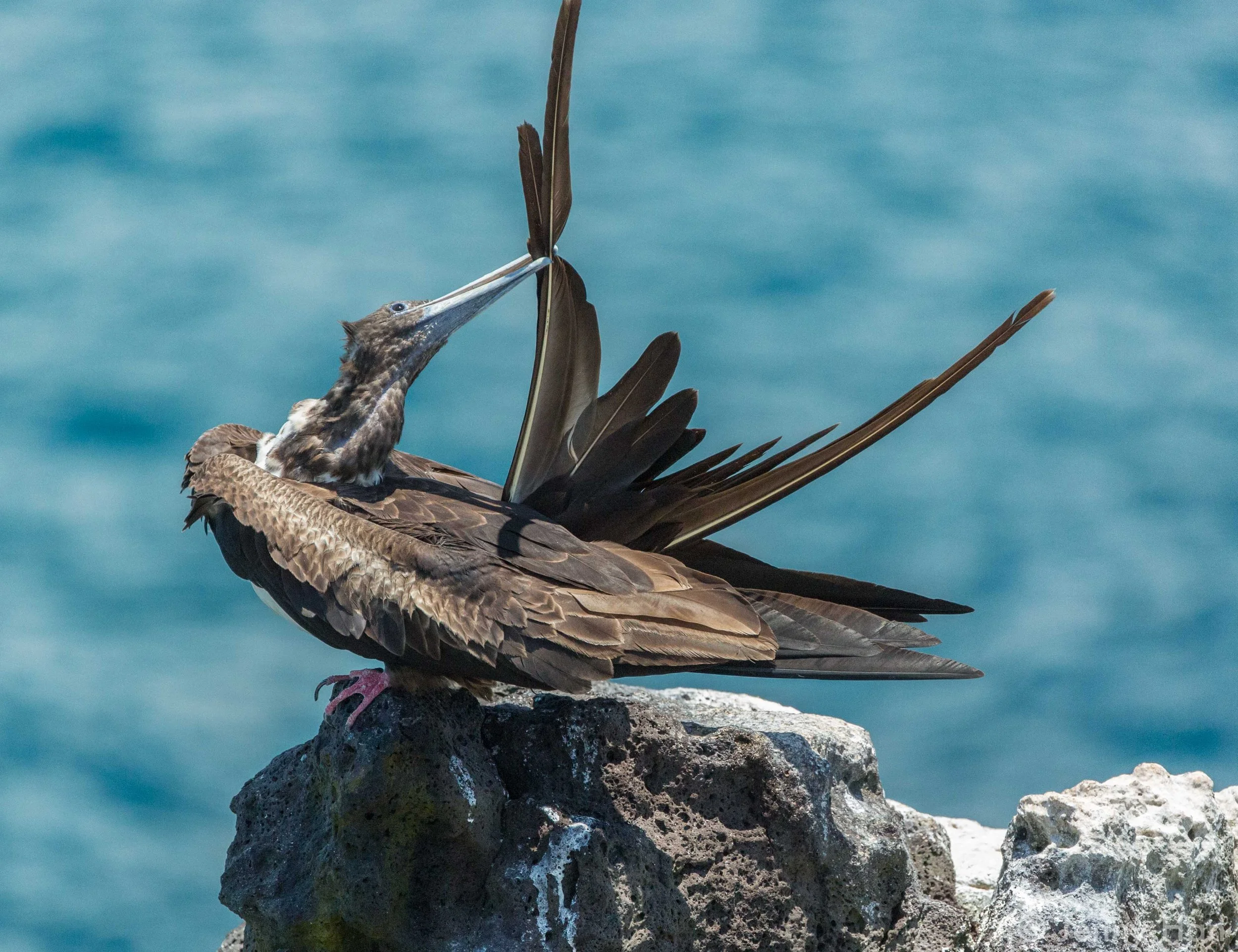
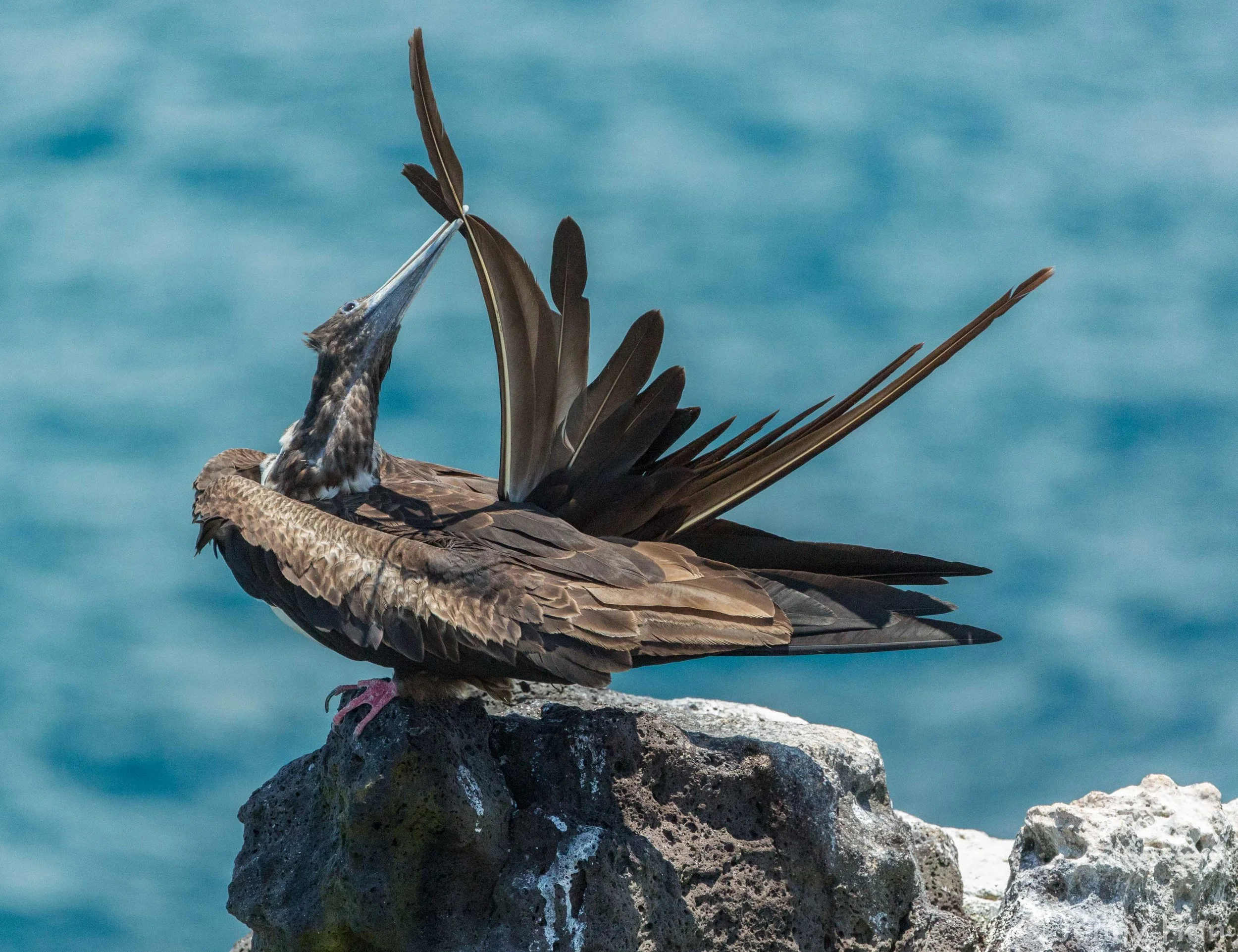
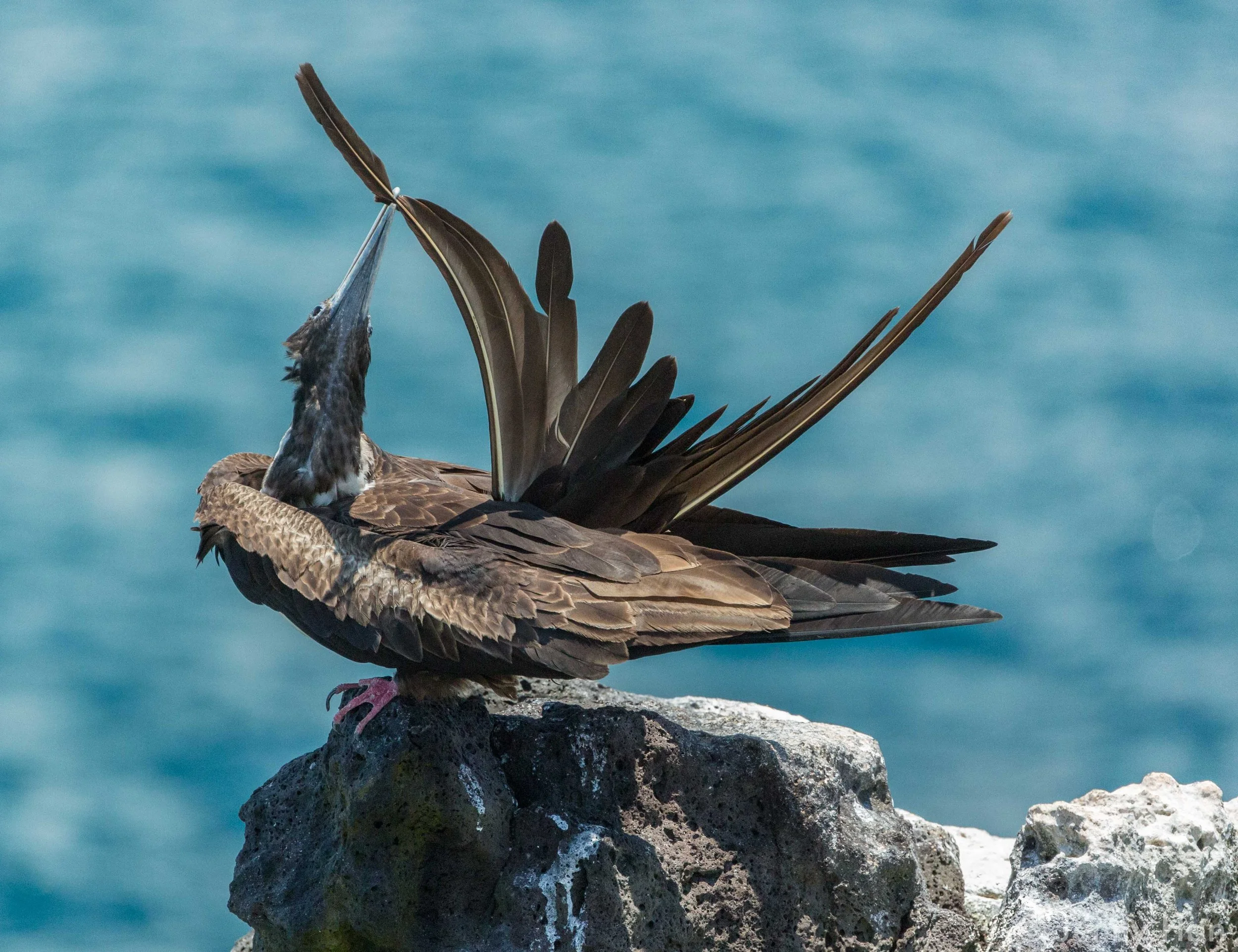
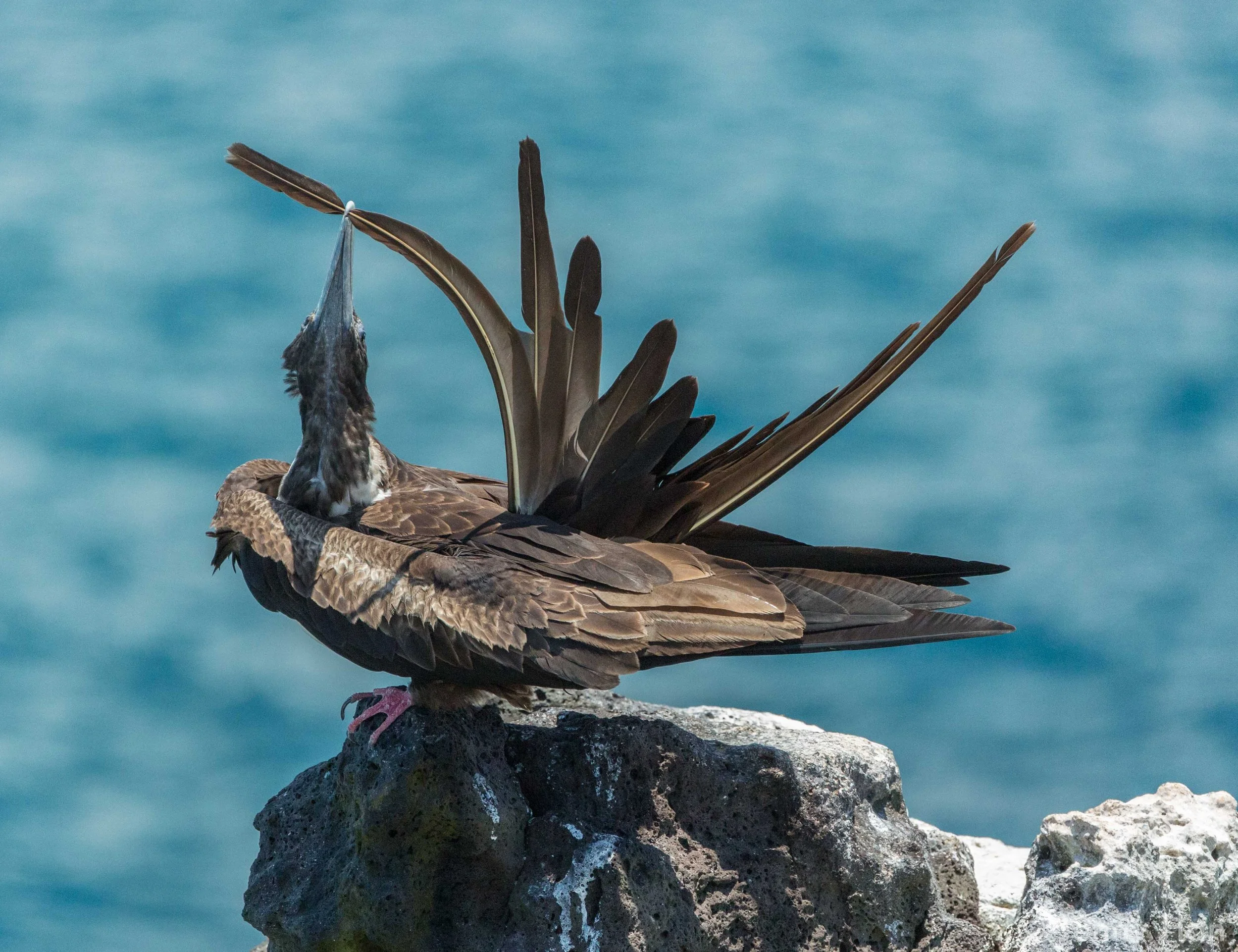
04.08.2022 So Proud // Isla Plaza Sur
This female Magnificent Frigatebird is looking very proud after showing off her feather-cleaning skills.
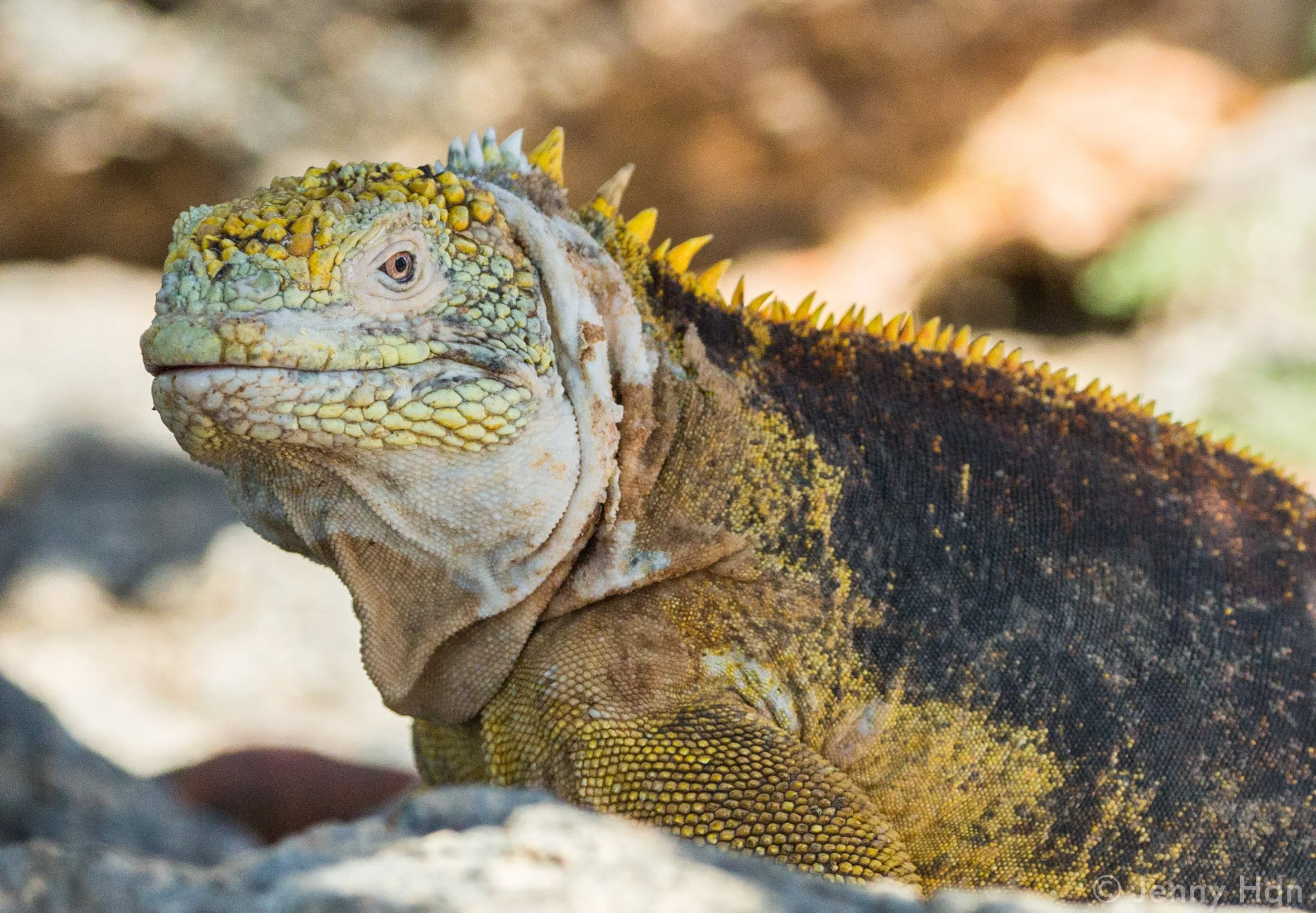
Conolophus subcristatus
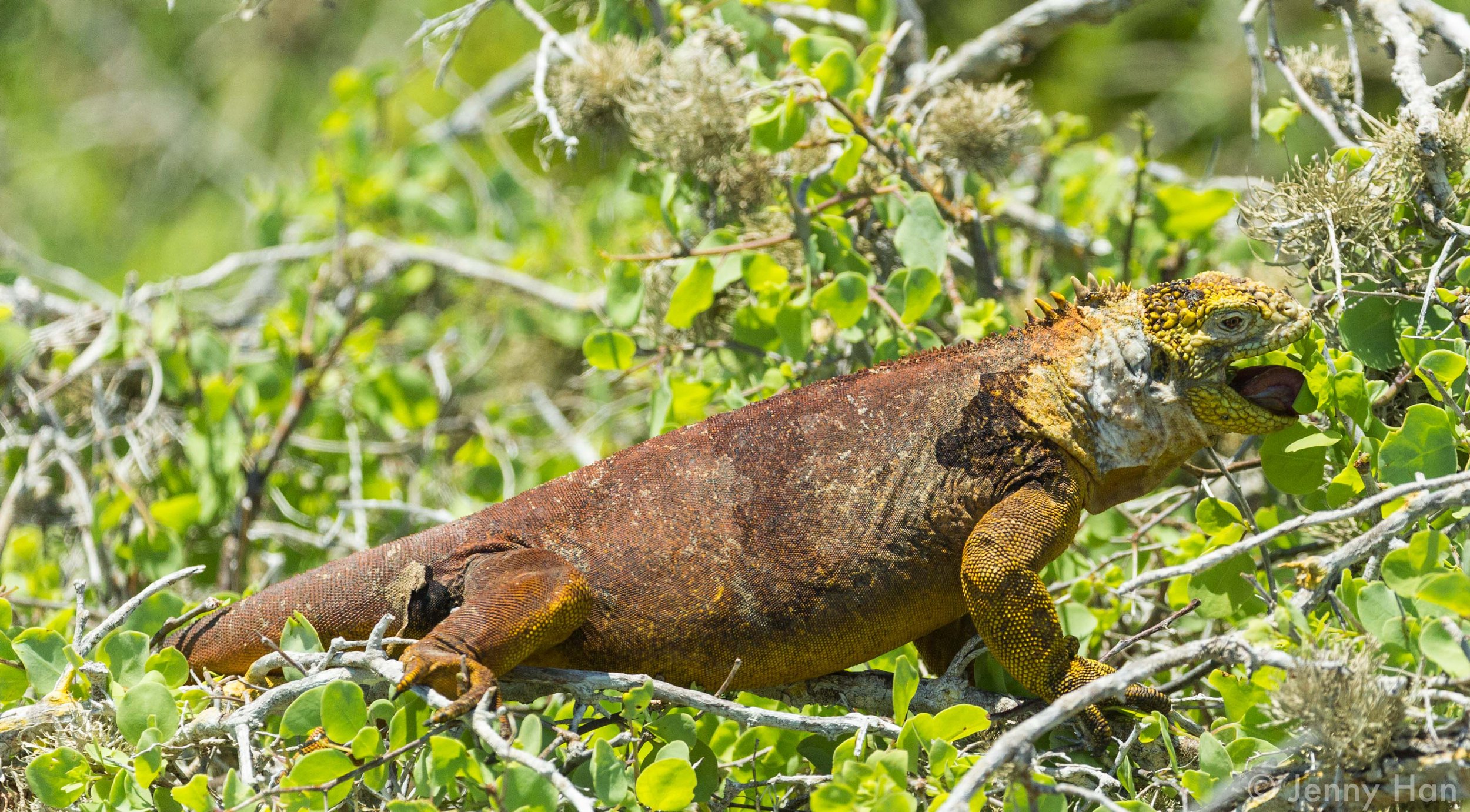
Chomp. Chomp.
04.08.2022 Conolophus subcristatus (Galápagos Land Iguana) // Isla Plaza Sur
One of the four species of iguanas found in the Galápagos Islands is the land iguana. The yellow terrestrial iguanas pictured above are endemic to the Galápagos Islands. As soon as I disembarked off the Zodiac, I spotted one cooling off in the shades of a large cactus…then I saw a whole lot of them well-camouflaged against the yellow vegetation. Even though their numbers are abundant on this particular island, they are listed as Vulnerable on the conservation status. Aggressive conservation efforts have increased their population that was once severely threatened by feral dogs and cats.
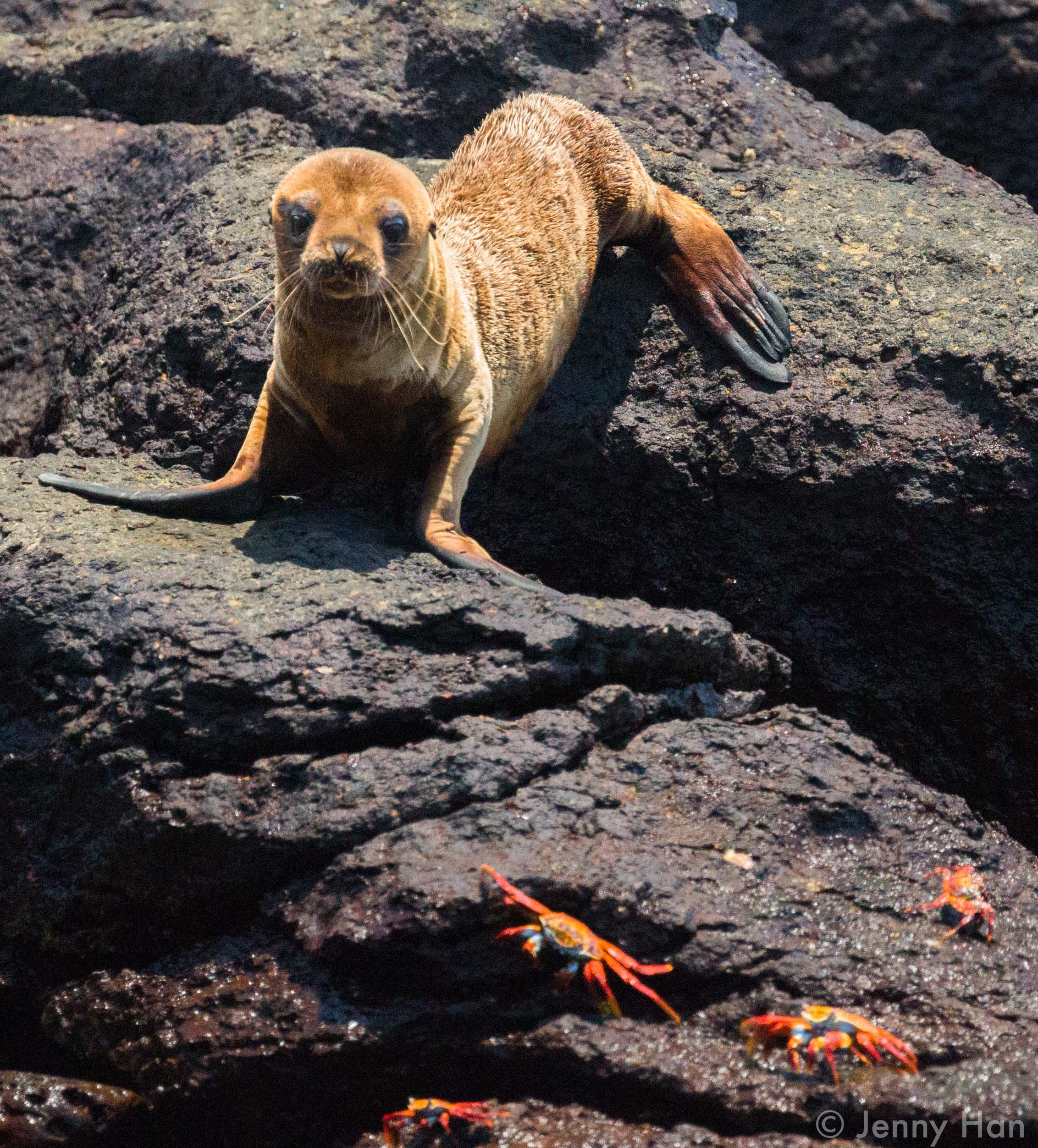
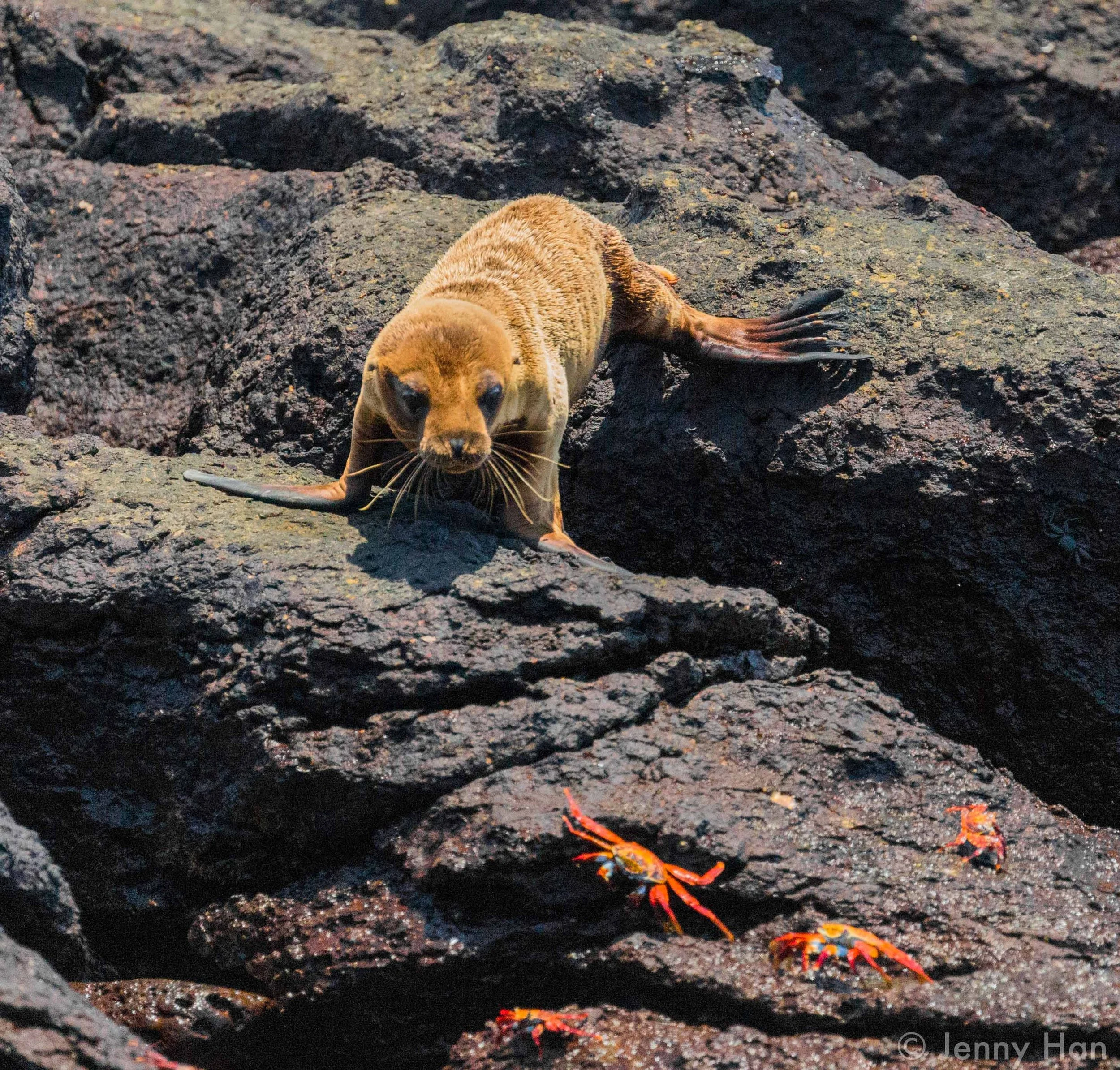
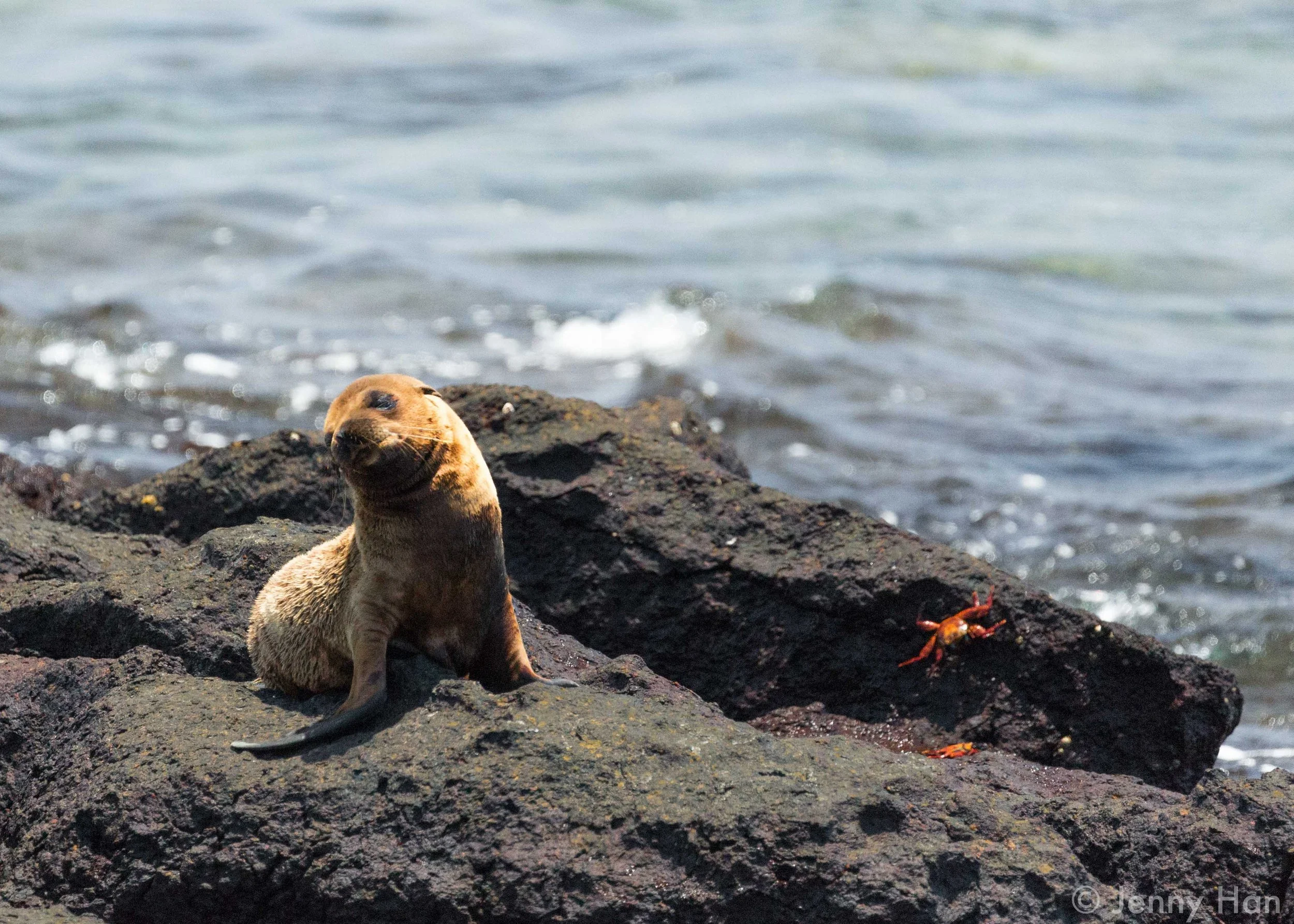
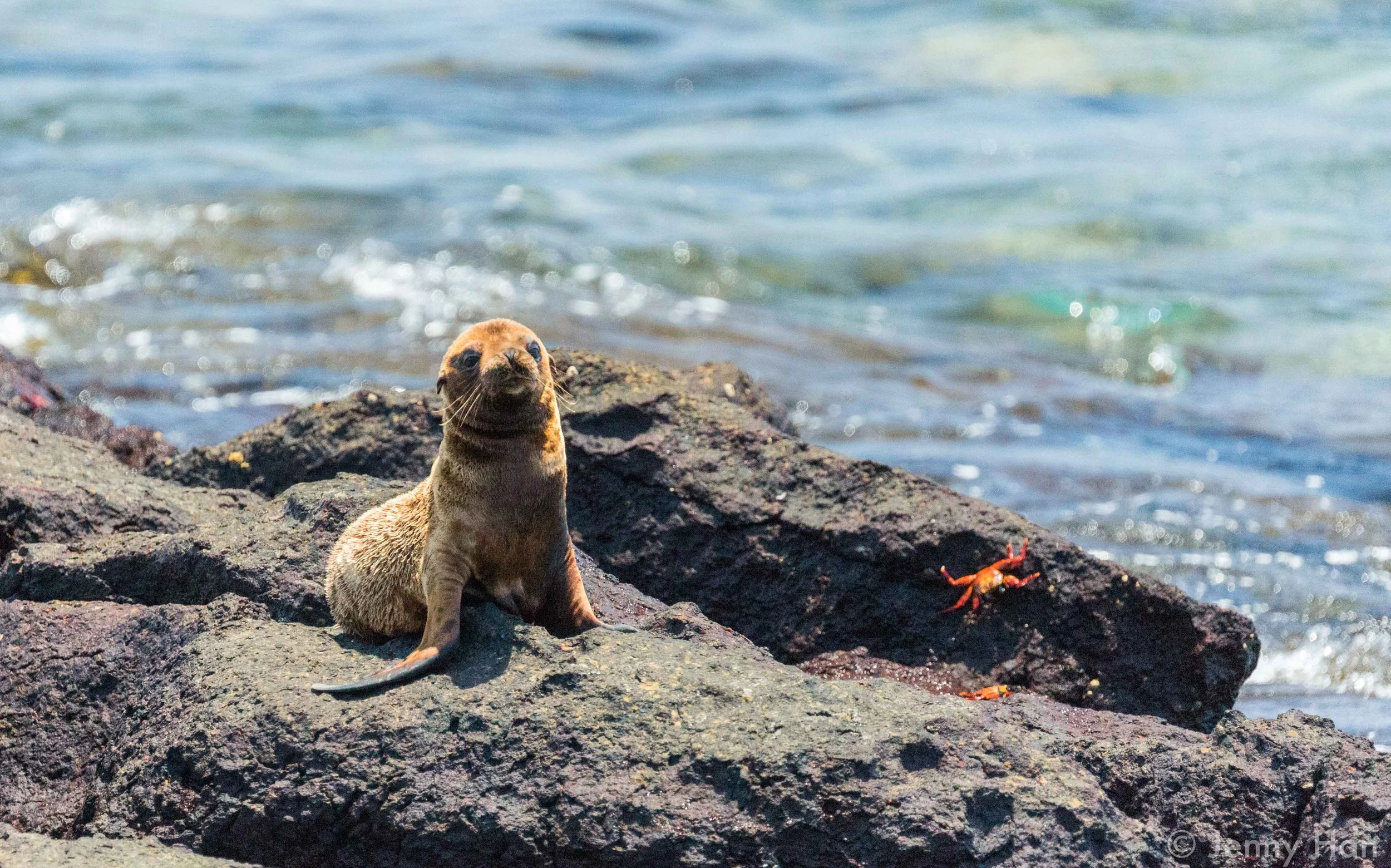
04.08.2022 Zalophus wollebaeki (Galápagos Sea Lion) // Isla Plaza Sur
Cannot have enough of these cute baby sea lions, curious and uncomfortably waddling on their flippers. Not sure what is going on with the other sea lion with its head in the water. The subspecies, Galápagos Sea Lions, are endemic to the Islands and heavily protected with conservation efforts. They are Endangered on the conservation status, mostly threatened by El Nino, disease brought on by feral dogs, and pesticides introduced by human activities.
04.08.2022 Nazca Booby (Sula granti) // Isla Plaza Sur
A Swallow-Tailed Gull glides on the left. The white bird perched on the rock to the right is the Nazca Booby, the grey-footed. Nazca Booby species practices obligate siblicide, where the smaller, weaker chick will be removed from the nest resulting in certain death at all times.Though they lay two eggs, one is delayed for several days and the chick that hatched first will eventually remove the second chick out of the nest. Since the parents only tend to the chick inside the nest, the abandoned chick will die of starvation or due to exposure to elements. The second egg is thought of as an insurance egg, just in case the first hatching fails, the parents have something to fall back on. Crazy! And you thought your sibling was nuts…
04.08.2022 Swallow-Tailed Gull (Creagrus furcatus) // Isla Plaza Sur
These are the only nocturnal gulls in the world. They must have incredible night vision to be hunting for food at night. They are endemic-breeders, nesting only in the Galápagos Islands and found in the equatorial regions during non-breeding seasons. They like to nest among steep rocky cliffs or nearby volcanic rock rubbles. Breeding adults have the red eye-rings with reddish webbed feet and black head, while non-breeding adults have black eye-ring and white head. So freakin’ cute with their eye-rings signaling breeding season. They lay only 1 egg which hatches in 35 days. That is a quick turn-around time.
I am about to crop the shi*t out of this image.
04.08.2022 Sula nebouxii (Blue-Footed Booby) // Isla Plaza Sur
One of the most commonly sited, and very popular, birds in the Galápagos Islands are the Blue-Footed Booby. Ironically, they turned out to be one elusive birds for me to capture in camera. The cliff’s edge contrasted by the turquoise water and green vegetation on the horizon caught my eye’s attention. It wasn’t until I came home to process my images that I spotted a solo Blue-Footed Booby hanging out on the cliff’s edge. Just like the Nazca Boobies, the Blue-Footed Boobies practice facultative siblicide, where the bigger chick, usually the first to hatch, harasses the second chick aggressively that may, though not always, lead to its demise.
A single Swallow-Tailed Gull is camera-shy, hiding its face, and a pair of Brown Noddy Tern (Anous stolidus) are on the lower deck of this steep rock cliff.
Final thoughts…
The uniqueness of the Galápagos Islands is a reminder that what we know so far is a tiny grain of sand of several buh-zillion beaches in the sea of the unknown. Everything on our Earth has gone through millions and millions of adaptations in small increments to get to where we are today, us too. We are all thrown in this hot bucket of infinite changes together, tumbling through the Universe at an unspeakable speed, forever changing, changing, and changing. I am no different than you, you are no different than me, and we are no different than these “animals.” We are all just the same strange life force spewing out into the Universe witnessing incredible display of beauty at its finest.